Manno TownMasaki Shirakawa
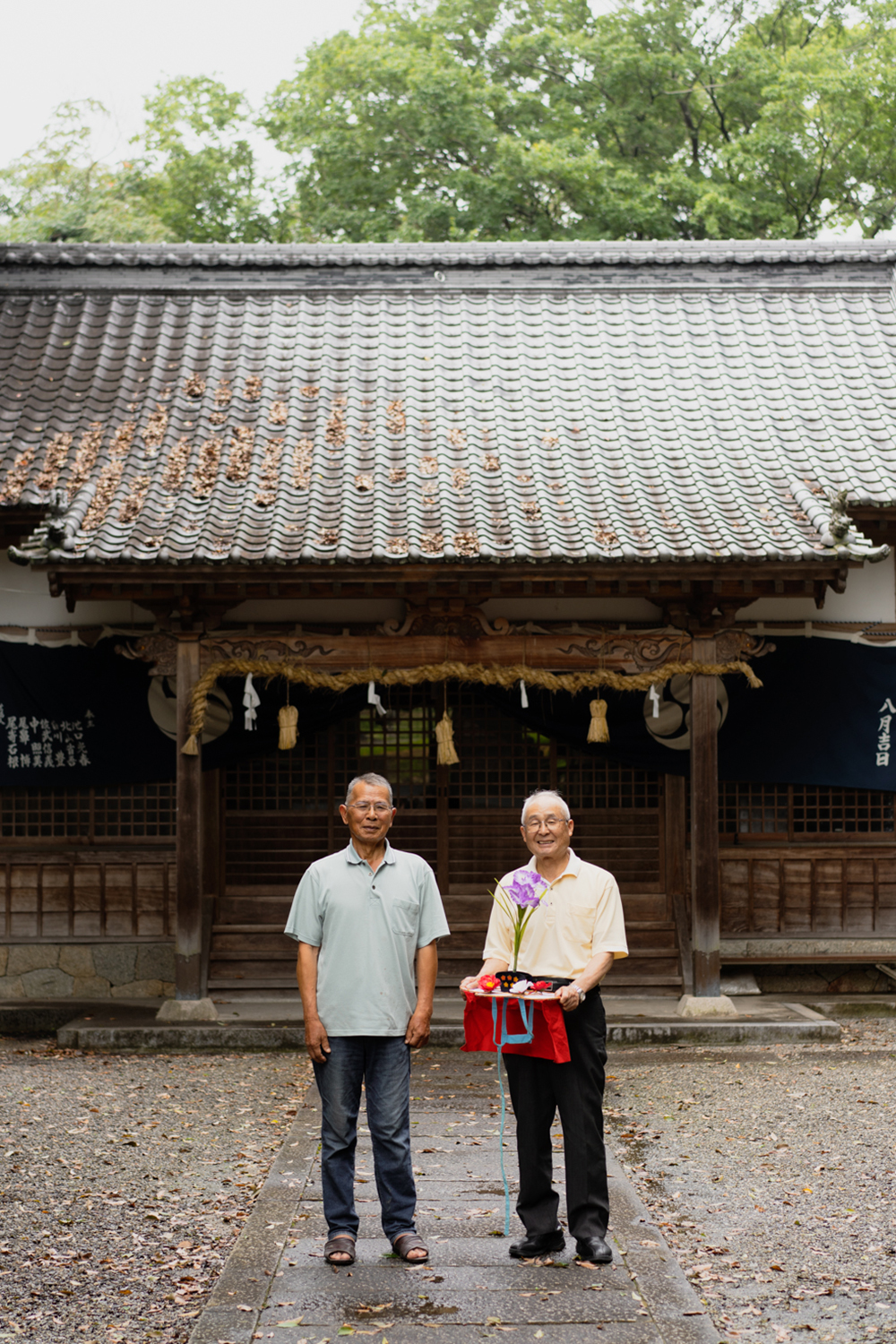
Former Chair of the Sabumi Ayako-odori Preservation Society and the National Associations for the Safeguarding and Promotion of the Furyu Folk Ritual Dances
With no large mountains or rivers, Sabumi in the Chunan district has been particularly affected by water shortages, even within Manno Town. The “Ayako-odori,” a tradition rooted in this area, stands as a testament to the people of Sabumi and their enduring battle with water scarcity. The “Sabumi Ayako-odori Preservation Society,” whose members include every resident of Sabumi, works together with a shared purpose, preserving and passing down the history of hardship faced by their ancestors.
The praying for rain that once sustained life has transcended time to become a 'cultural heritage.’
“When I was a child, I remember my grandparents and parents sharing water from the reservoir with other locals to irrigate the rice fields. They went through a lot of hardship,” says Mr. Shirakawa, who, as the head of the Ayako-odori Preservation Society in Sabumi, has been leading efforts to preserve and pass down the Ayako-odori tradition. Although the completion of the Kagawa Canal in 1975 largely resolved the water shortage issues, before that, the Ayako-odori was their only means of praying for rain during droughts. “In the old days, whenever there was a prolonged dry spell, someone would inevitably suggest performing the Ayako-odori, and we would dance as a last resort. They’d keep dancing for a week or even ten days until the rain finally came. That’s why people came to say, ‘If you dance, the rain will fall,’” he says with a smile.
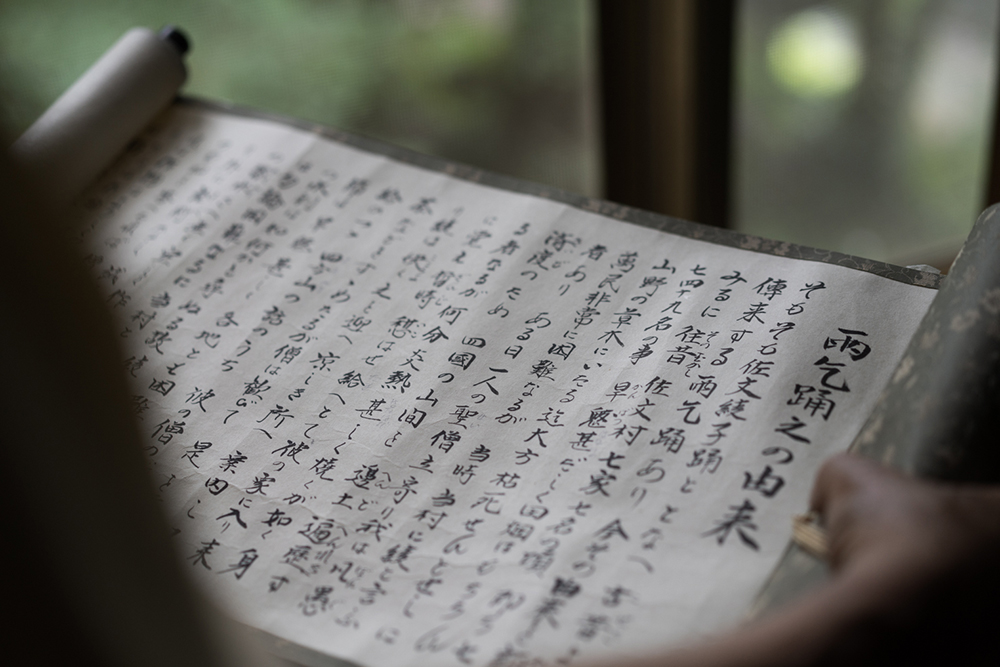
Tracing back through history, the origins of the Ayako-odori date as far back as the Heian period. It is said to have begun when villagers, suffering from drought, danced under the teachings of Kobo Daishi, prompting heavy rainfall. Though the dance was discontinued for a time after World War II, it was revived in 1953 thanks to the enthusiasm of the residents. A key factor in preserving the tradition was the detailed records left behind by Seiho Ozaki, who had long taught the dance.
“It’s thanks to Mr. Ozaki’s records that we were able to keep it alive. There are people in this world who can foresee the needs of future generations and act,” he says.
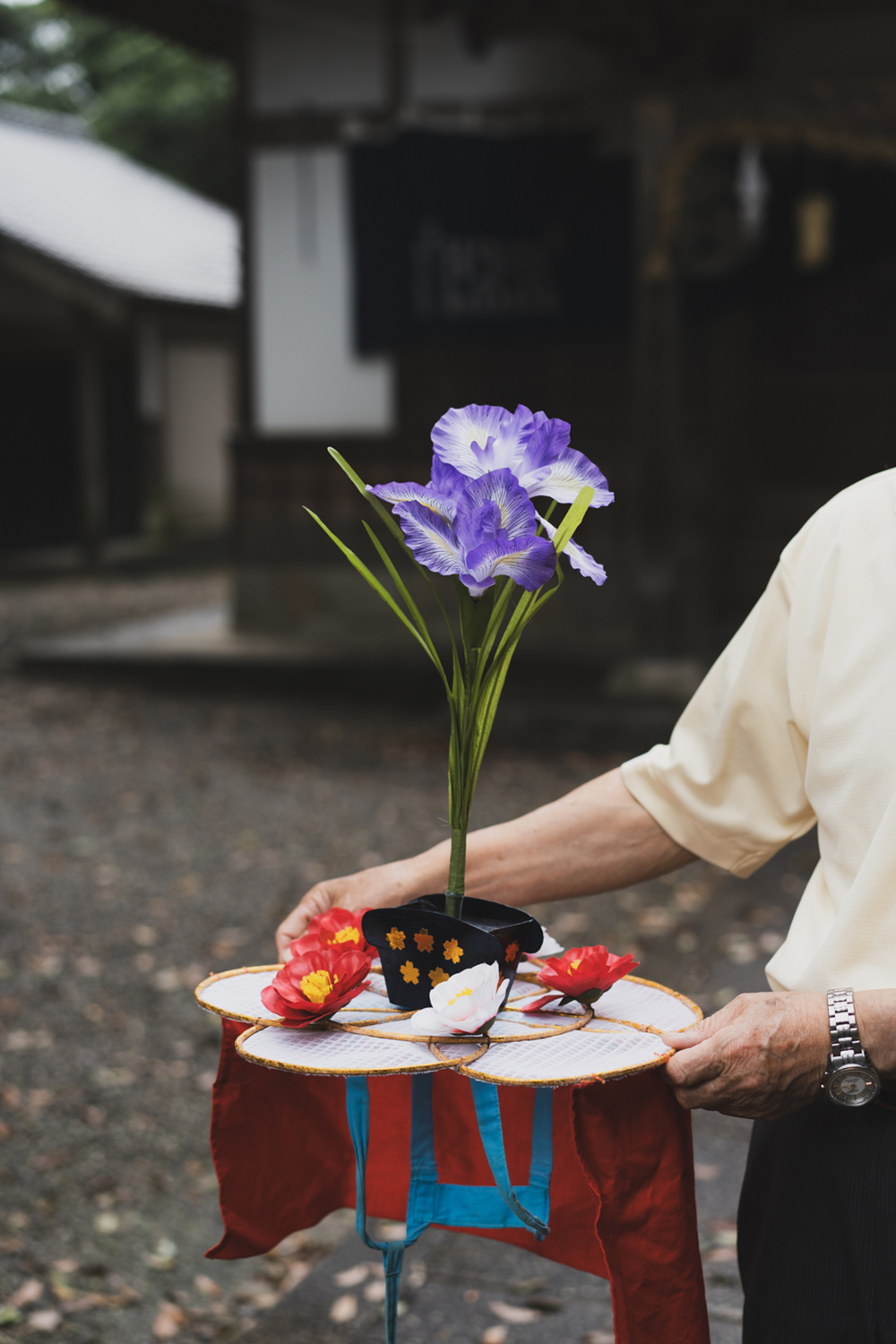
In November 2022, the “Furyu-Odori,” including the Ayako-odori, inscribed on the Representative List of the Intangible Cultural Heritage of Humanity Furyu-odori, ritual dances imbued with people’s hopes and prayers.
While celebrating this new milestone, he also expressed a more complex sentiment: “Now that we no longer struggle with water shortages, I sometimes wonder if it’s time to let it go. But as long as it's my generation, I can’t stop. It’s a sense of duty.”
Unable to resist the tides of time, the shortage of practitioners has become an increasingly serious issue. However, continuing their traditions while embracing such changes brought about by the times is something the people of Sabumi take great pride in. It also serves as a testament to their strong sense of mission.
Interviewed in October, 2024
Writer : Atsumi Nakazato / Photographer : Eri Tokura