Soni
Soni Village, Uda-gun, Nara Prefecture
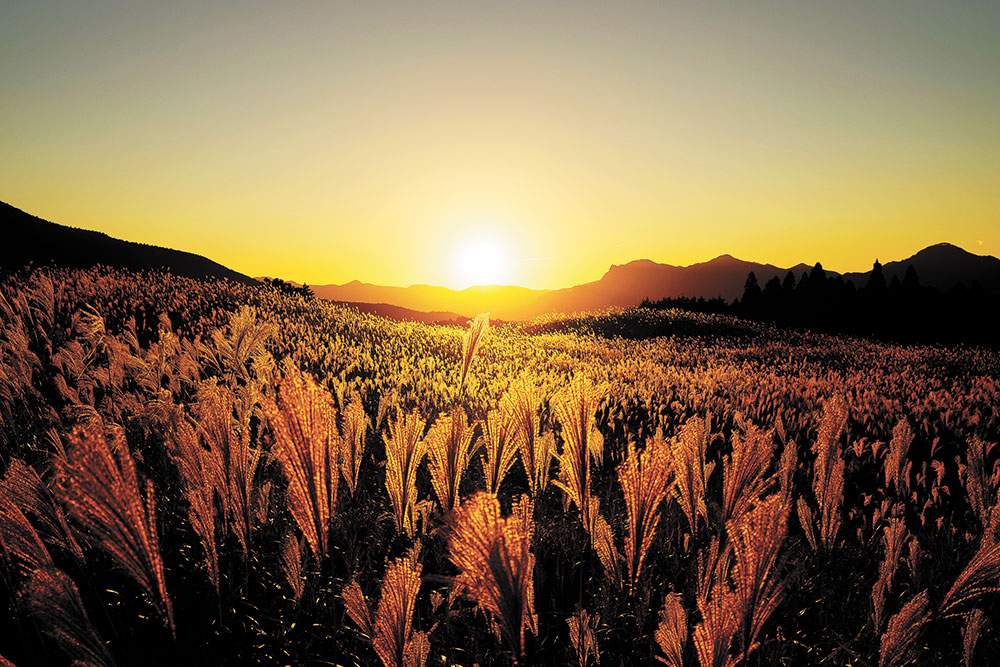
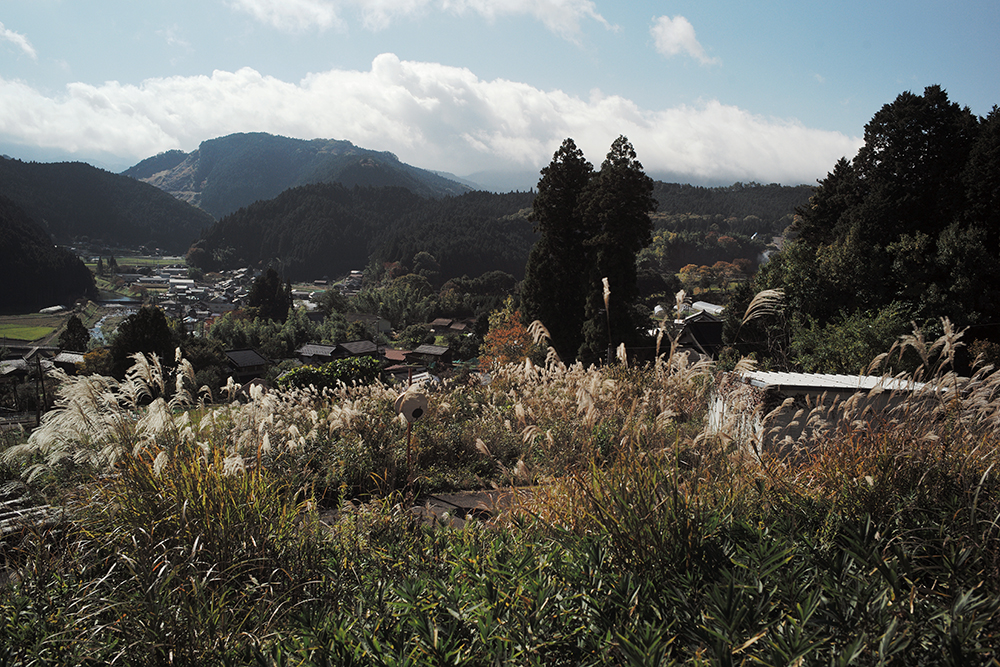
Located on the northeast edge of Nara Prefecture, Soni Village adjoins Mie Prefecture. It is where the tradition of urushi lacquer was born and is where countless mythologies and legends are handed down. Soni Village is full of romantic history. One step into the village we see the spectacle of natural scenery such as bare rocks of Mt. Yoroi and Mt. Kabuto as well as the sheer cliff of Byobu-iwa rock. In early November, Japanese pampas grass is at their best, spreading across Soni Kogen Highlands.
Soni Village in Nara Prefecture is a compact village which consists of nine colonies with about 1560 people. It is said that the village was formed as the Soni River which runs through the center of the village eroded the mountain, shaped a valley to eventually be resided by people.
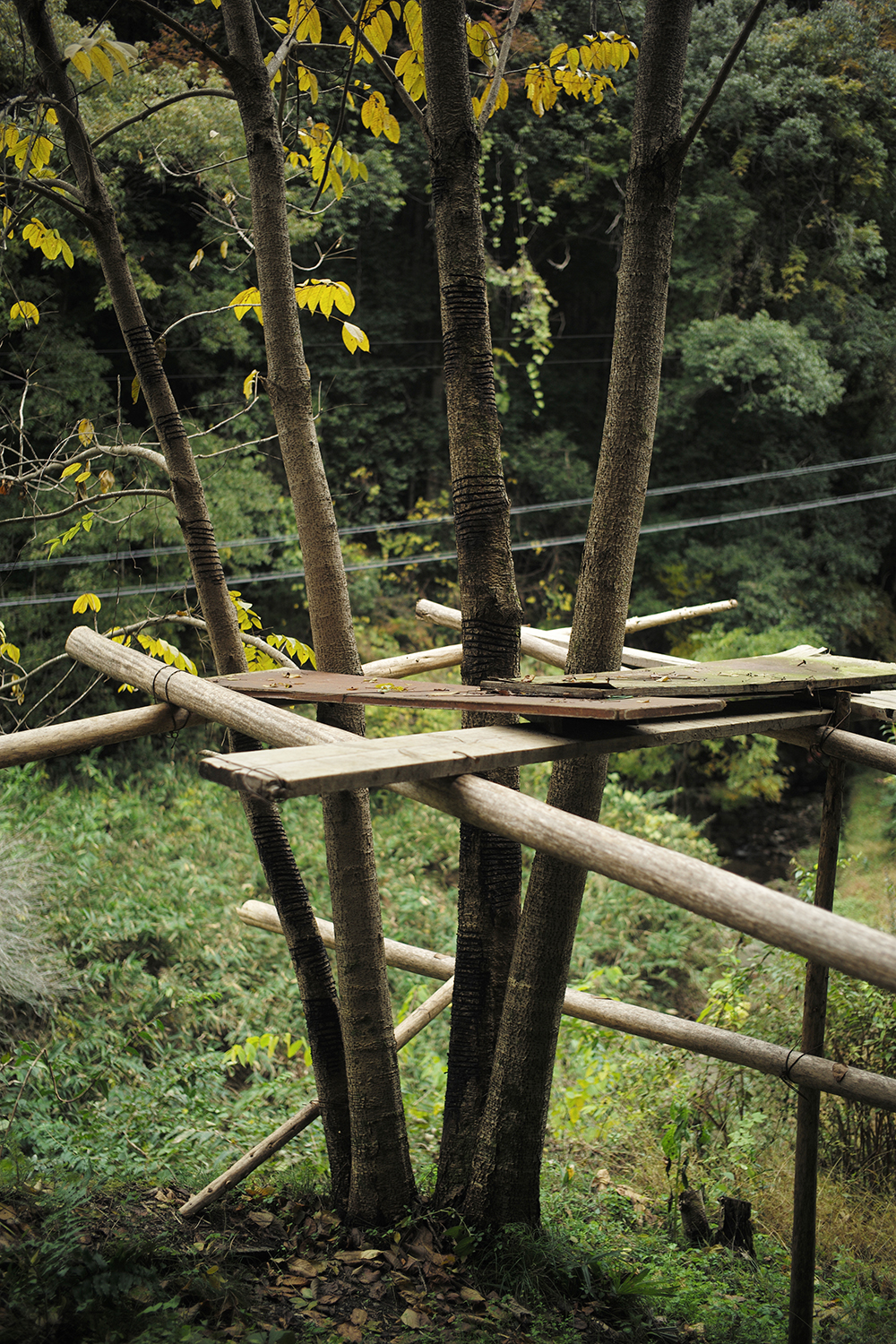
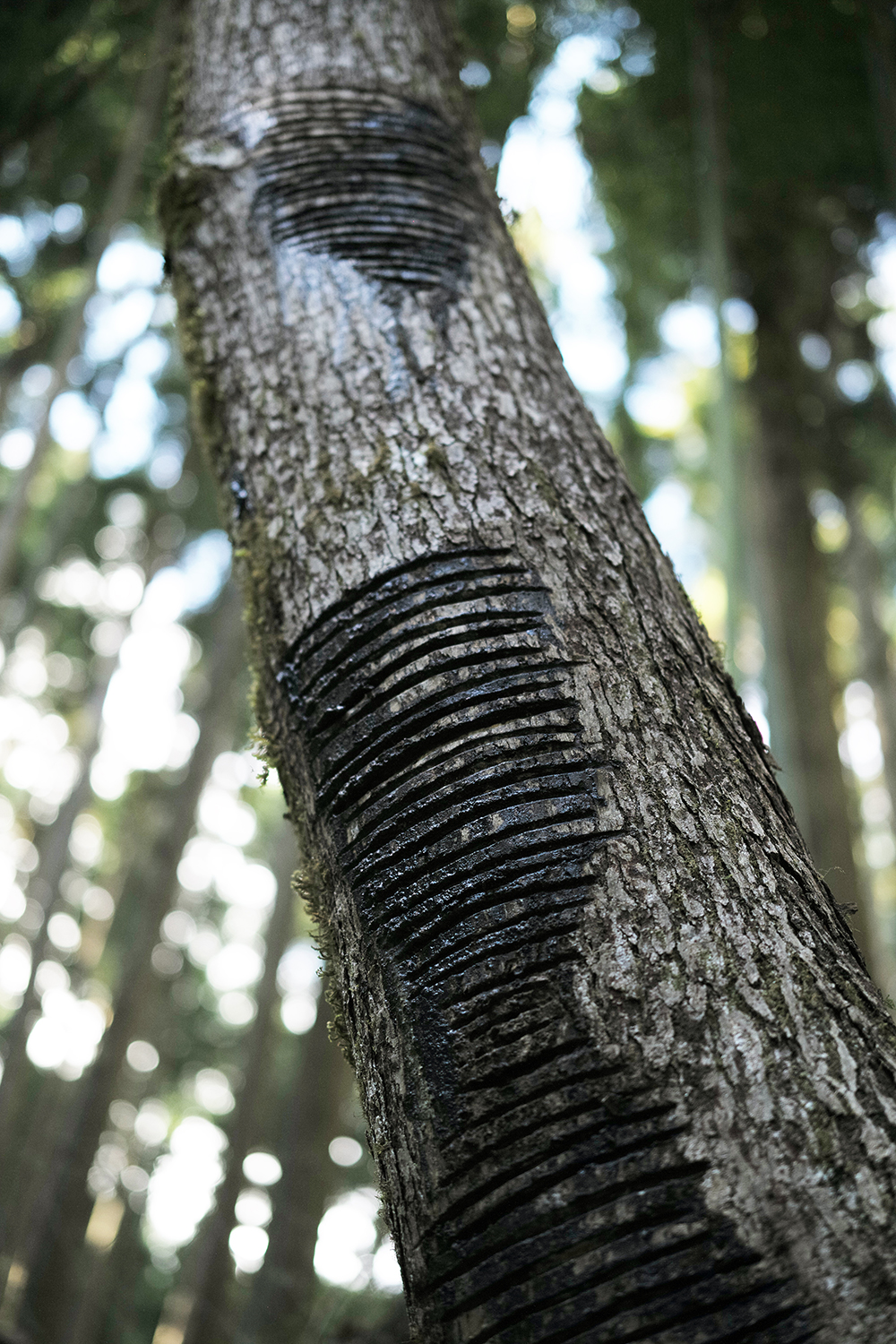
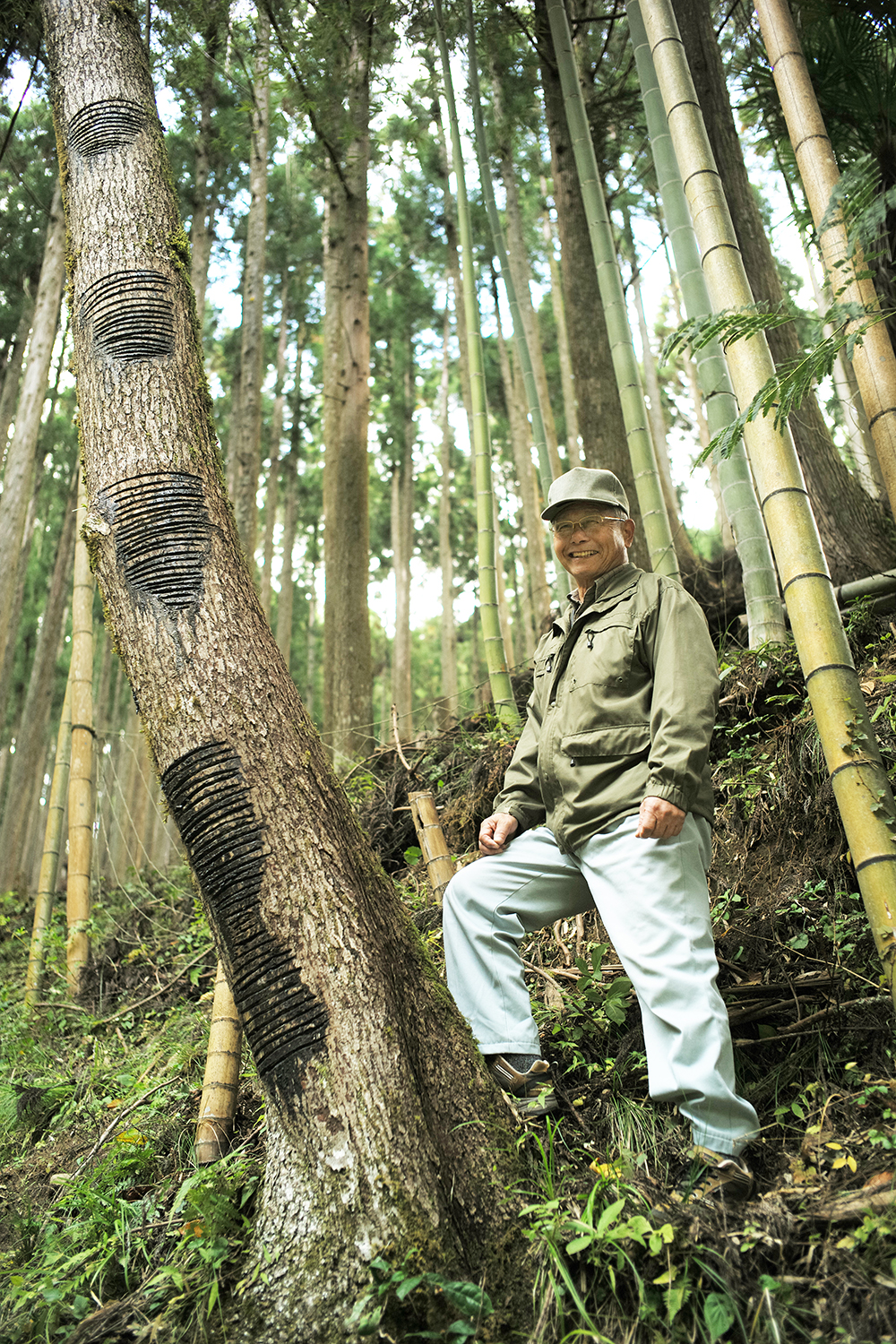
The village is also known by the tagline Nurube no Sato (the homeland of nurube). In the Nara period, a Japanese era which spanned from 710 to 784, a foothold of urushi lacquer industry called Nurube no Miyatsuko was placed in this village to collect original juice of urushi lacquer and offer it to Imperial Court.
Once upon a time, Yamato Takeru no Mikoto, Japanese legendary prince of the Yamato dynasty, visited Soni Village. When he was hunting one day, he broke off a branch of a tree to find his hand dyed black with its sap. He painted an object with the sap which made it glossy and beautiful. This led him to place Nurube no Miyatsuko to this land which started the first urushi lacquer tradition in Japan.
The name of the village “Soni” already appears in a book called Kojiki (Records of Ancient Matters) written in the Nara Period although it was described in a different Chinese character for “So” then. It is said that the Chinese character changed to the current one in the mid-Heian period, which spanned from 794 to 1185.
The name suggests that the majority of the village consists of Muroo Volcano Group, a range of volcanoes made by volcanic activity of about 15 million years ago. Impressive scenery is one of the charms of the village: stately Mt.Yoroi, Kotaro-iwa rock which has the range of vertical rock-face that is 200 meters tall, as well as Byobu-iwa rock, which is a range of rare rocks that look as if blades of saws are being planted.
500 to 600 thousand people visit to enjoy the spread of Japanese pampas grass across Soni Kogen Highlands each year. It is as vast as 40 hectares. The Japanese pampas grass was traditionally used as the material for thatched roof. The field is burned off in spring to be reborn as a field of vibrant green in early summer. Then by autumn, a spread of Japanese pampas grass grows in colonies as if to cover up the highlands.
The charms of the village are its history, mythology, legend, scenery, and lastly but not least, its people. Welcome to Soni Village, a village full of charms and highlights that can’t be told in a guidebook.
Interviewed in October, 2016