Kosaka
Kosaka Town, Kazuno District , Akita Prefecture

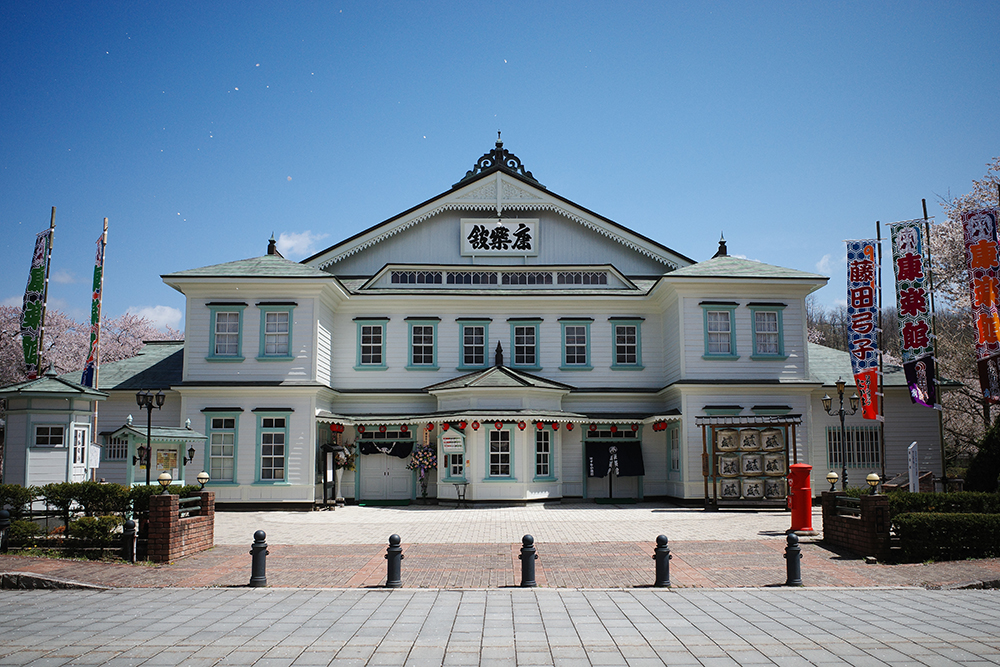
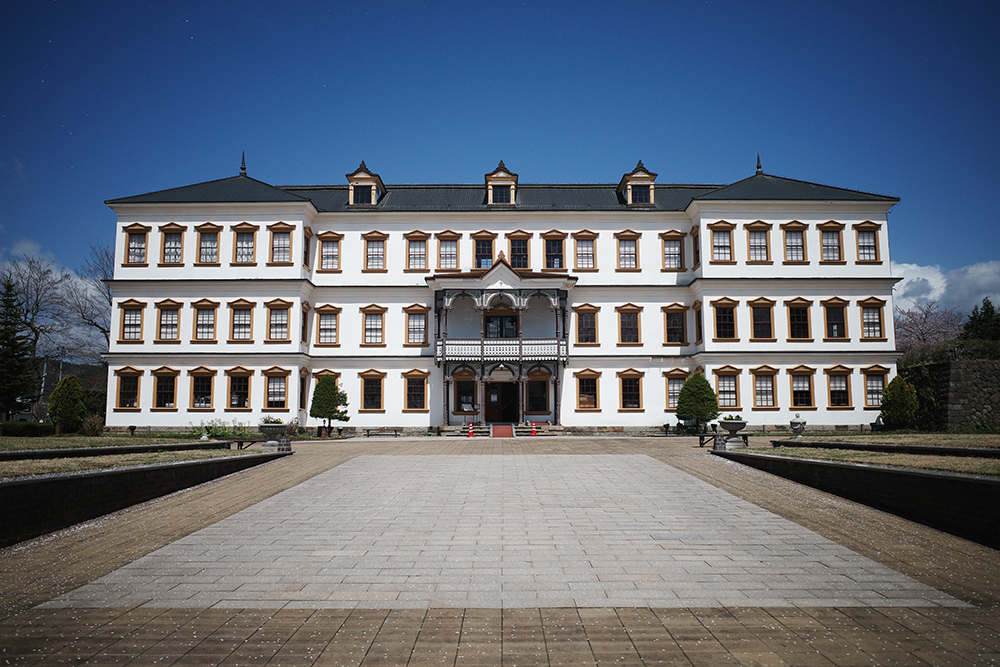
It takes a little over an hour from Morioka City, Iwate Prefecture on the Tohoku Jukan Expressway. Once you get off at the Kosaka Interchange, the center of the town is just around the corner. Kosaka Town is not something like a “secluded mountainous region” but a “beautiful village” where you can casually stop by. The town, with a population of about 4,800, flourished as Japan's largest mining town and is now bustling with the industries such as refining, agriculture, and tourism. Standing on the “Meiji Hyakunen Street” (Meiji 100 year-street) where young leaves of acacia sway, you will find yourself being greeted by the soft breeze which represents the town's characteristic that preserves the old and embraces the new. A soft wind, which represents a town that preserves the old and embreces the new, greeted me upon arrival.
Kosaka Town in Akita Prefecture is located in the center of the three prefectures of the northern Tohoku region: Akita, Aomori, and Iwate. Since the discovery of the Kosaka Mine in 1861, the town has long prospered as a mining town.
As the town started mining gold and silver, it became one of the first in Japan to introduce modern refi ning technology in the Meiji period (1868-1912). The technique that has supported Japan's prosperity has continued to evolve and has been passed down to the present day. Since 2007, the town has also attracted attention for its "recycling refi ning" eff orts to extract rare metals from electronic devices gathered from all over the world.
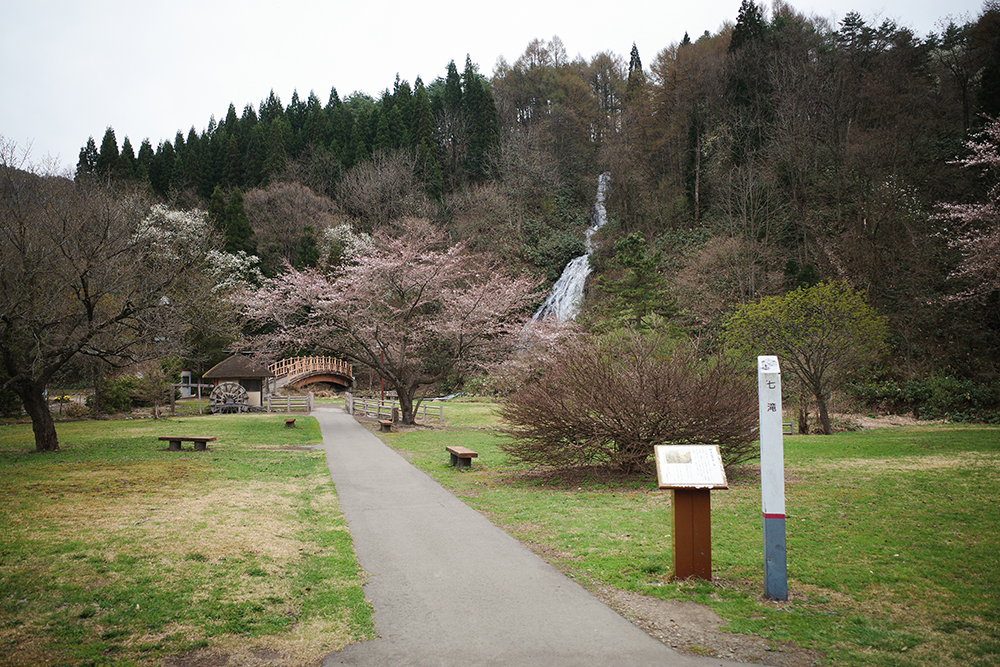
The town has a wealth of local resources to be proud of, including the Meiji Hyakunen Street, where buildings that remind us of the mining prosperity line up; the famous Kosaka Nanataki (Kosaka Seven Waterfalls) along the Odate-Towada Route, a major regional road; and Towada
Lake, a scenic spot with spectacular views.
Even with all these features Mayor Mitsuru Hosogoe hesitated to join the association of The Most Beautiful Villages in Japan in 2009. He wondered if a town that was once exposed to environmental pollution due to mining and refining could call itself a "beautiful village.
Indeed, there was a time when the town's mountains were devastated by smoke pollution from smelting furnaces, which proceeded in the shadow of the town's prosperity. However, the refining companies later shifted to an environmentally friendly refining business, and through persistent tree-planting activities, the town has regained its current verdant appearance. In addition, many of the buildings lining the Meiji Hyakunen Street have been preserved through the efforts of local residents, who are proud of the town's history and want to pass it on to future generations.
Interviewed in April, 2022