Ine
Ine Town, Yosa County, Kyoto Prefecture
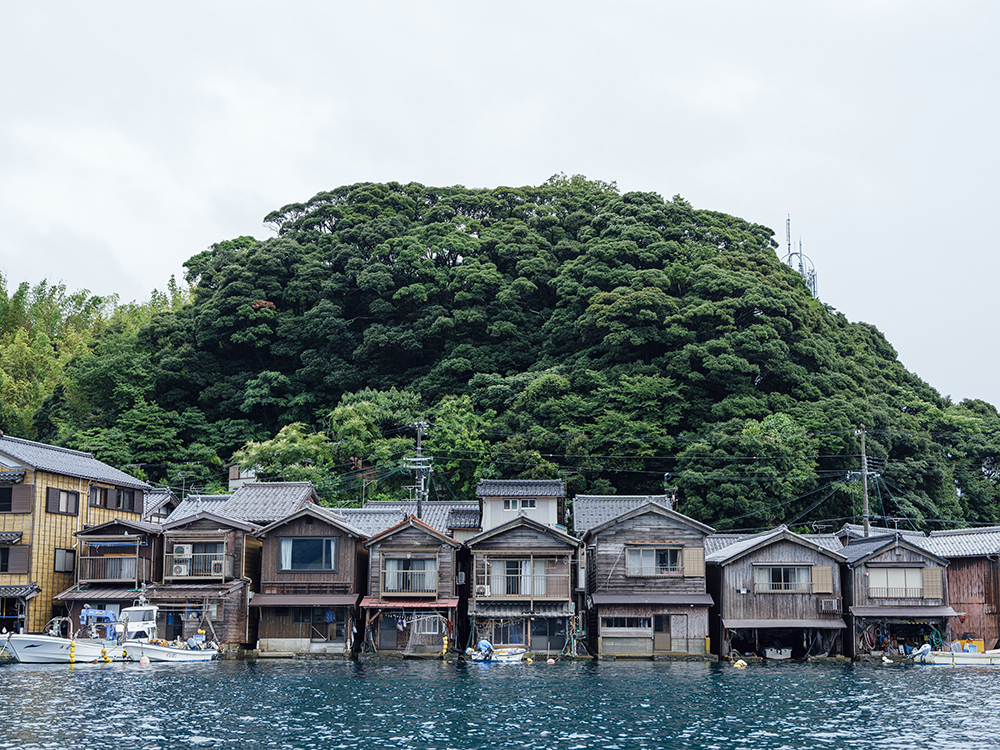
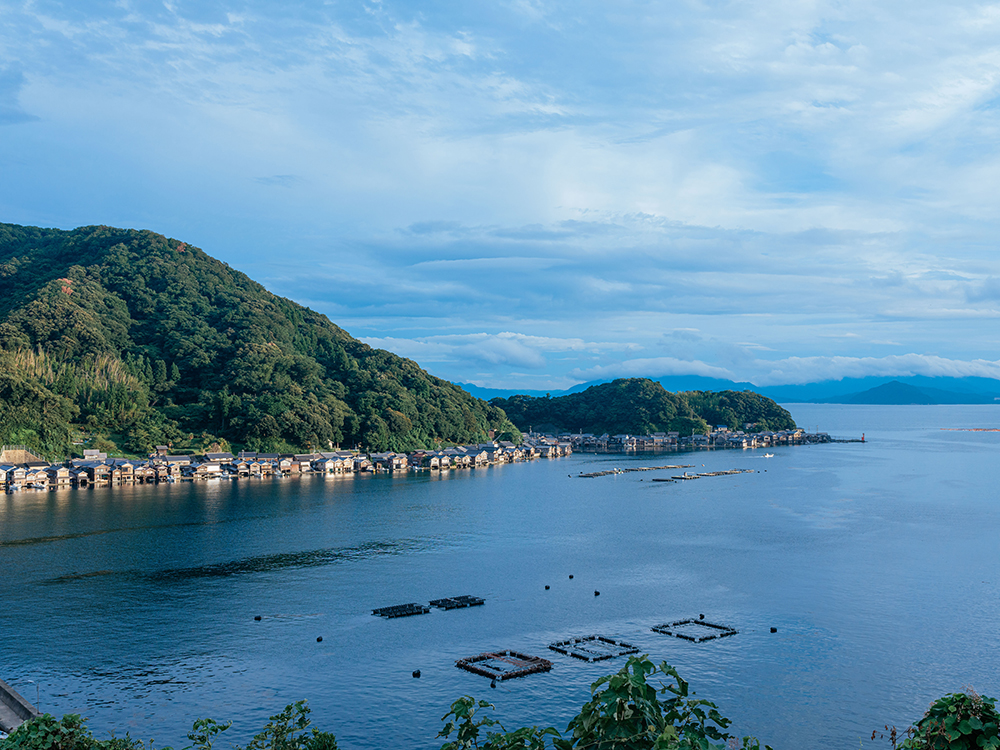
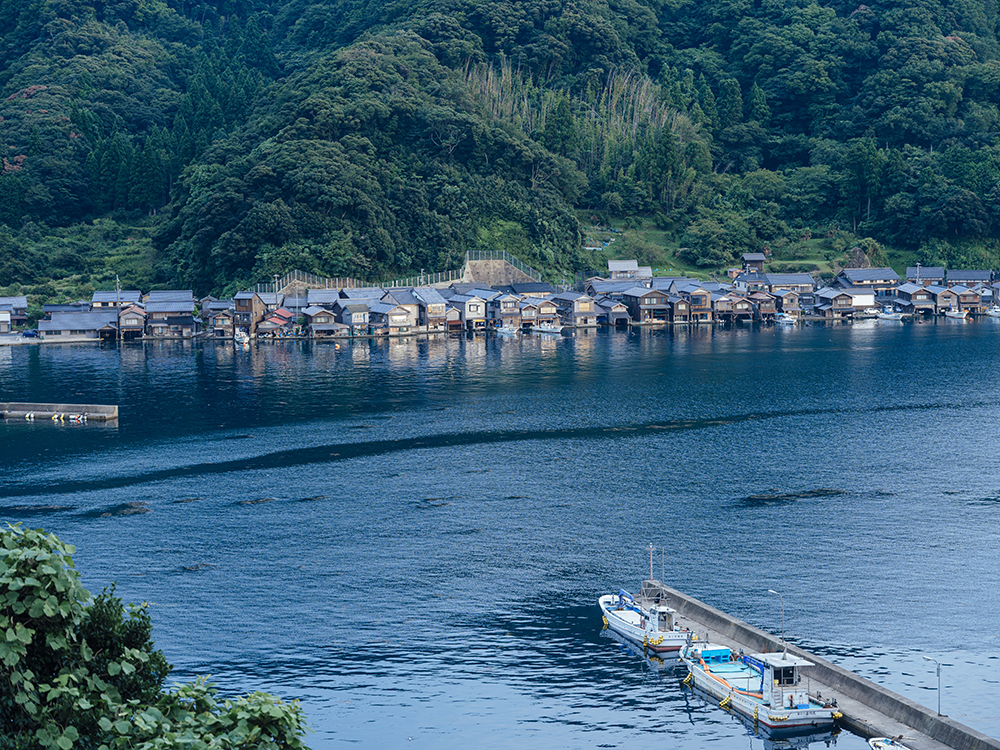
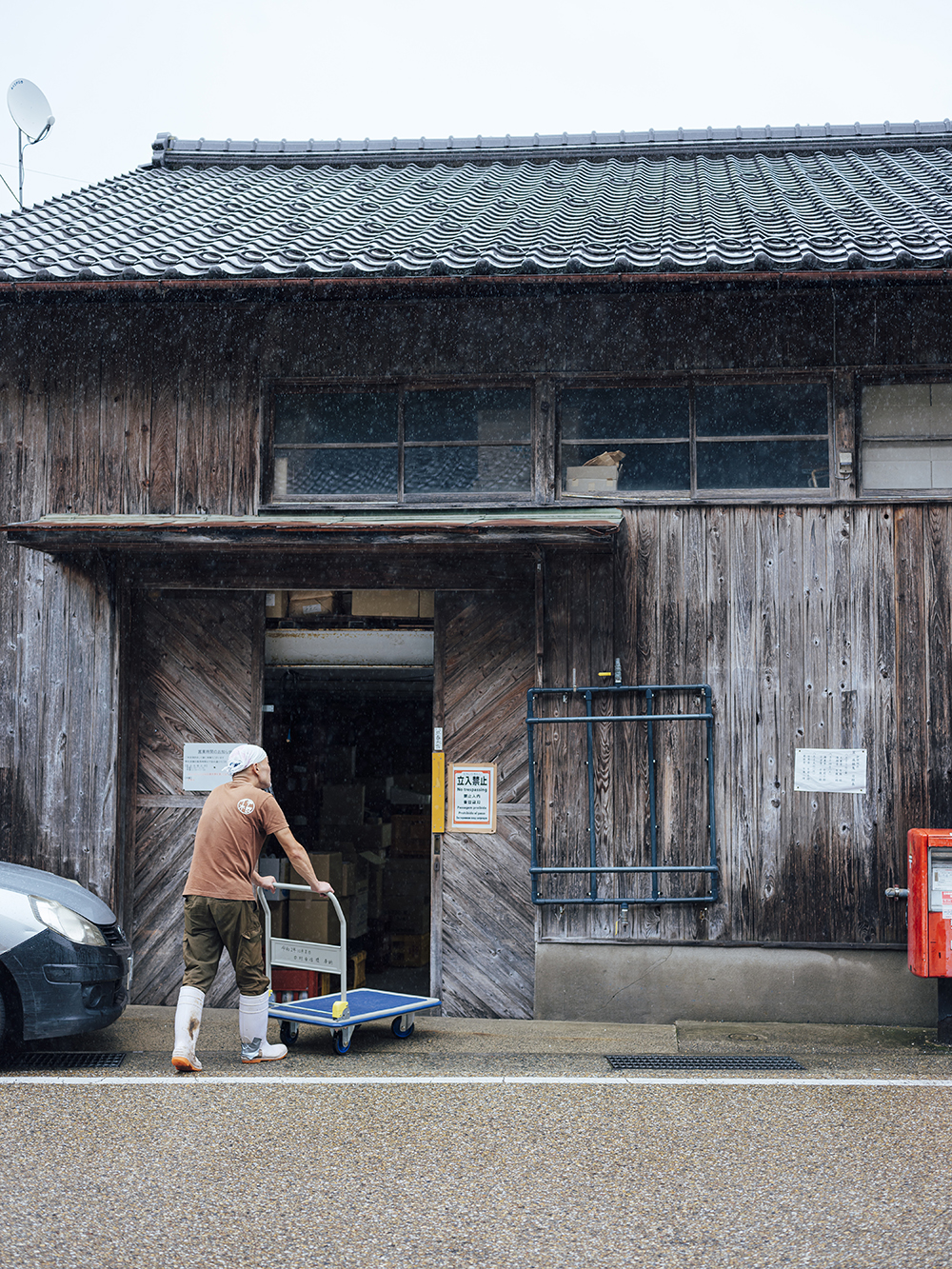
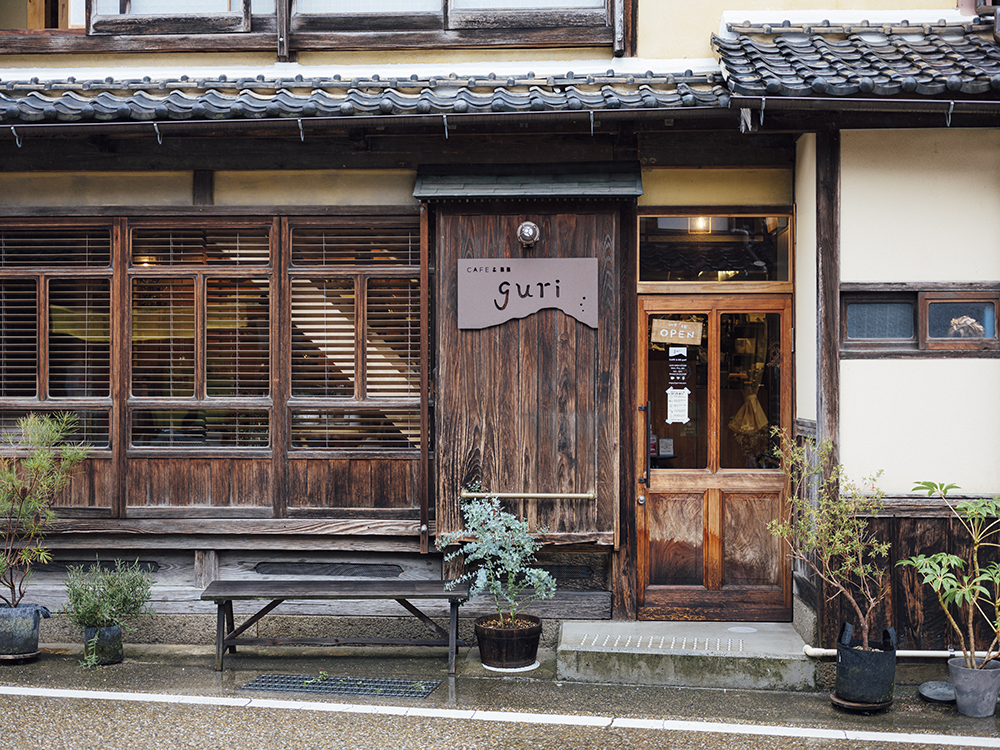
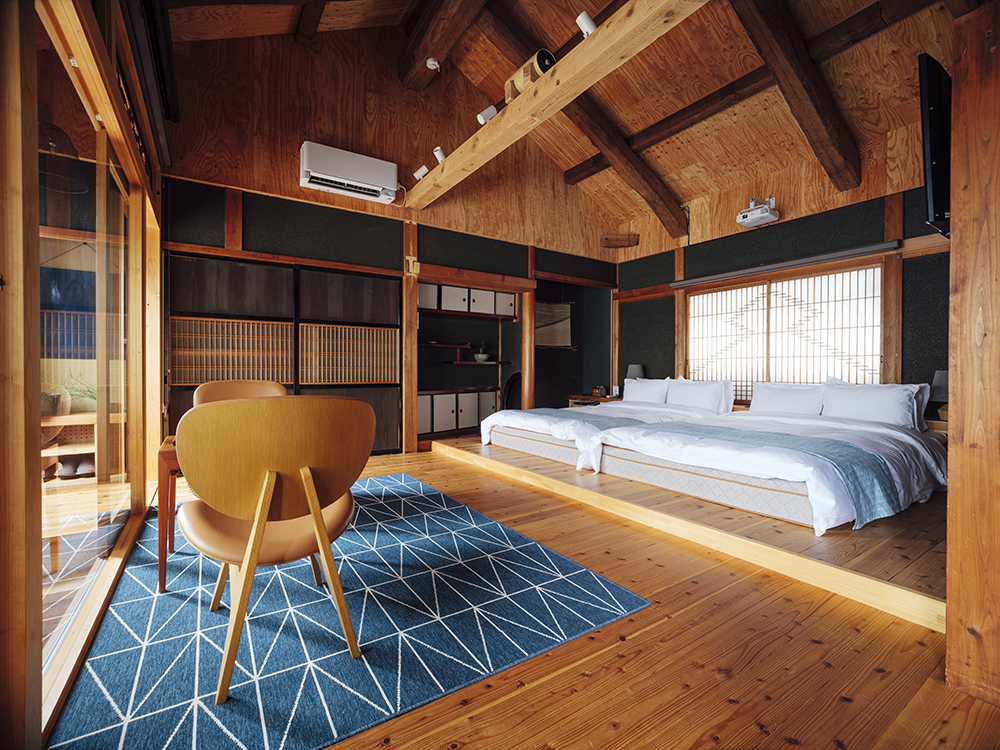
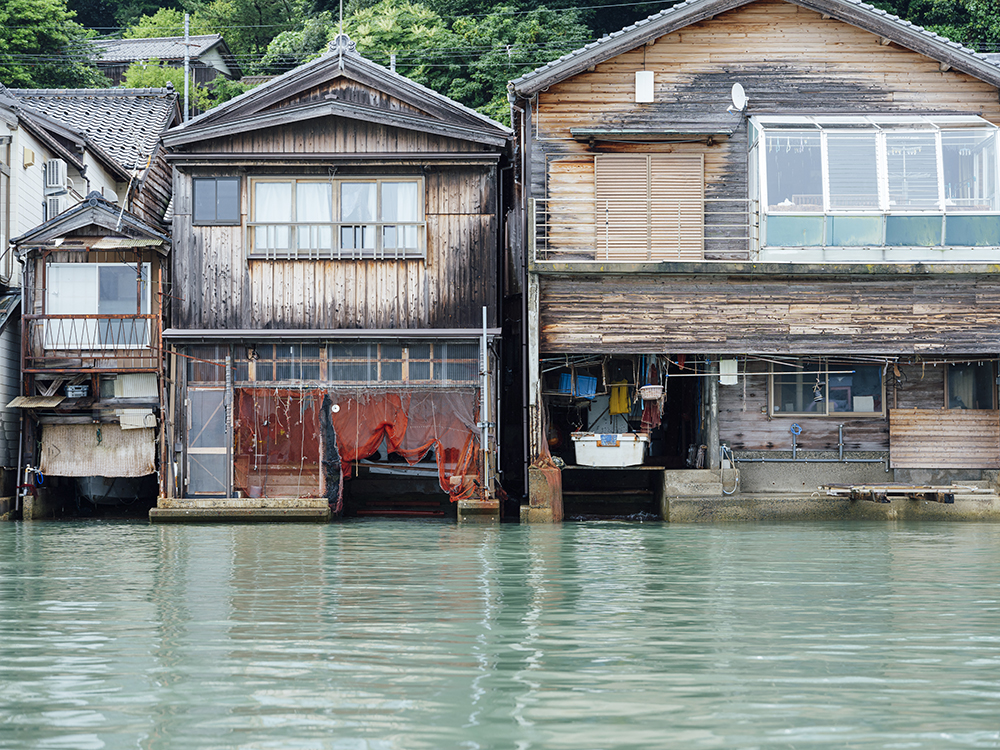
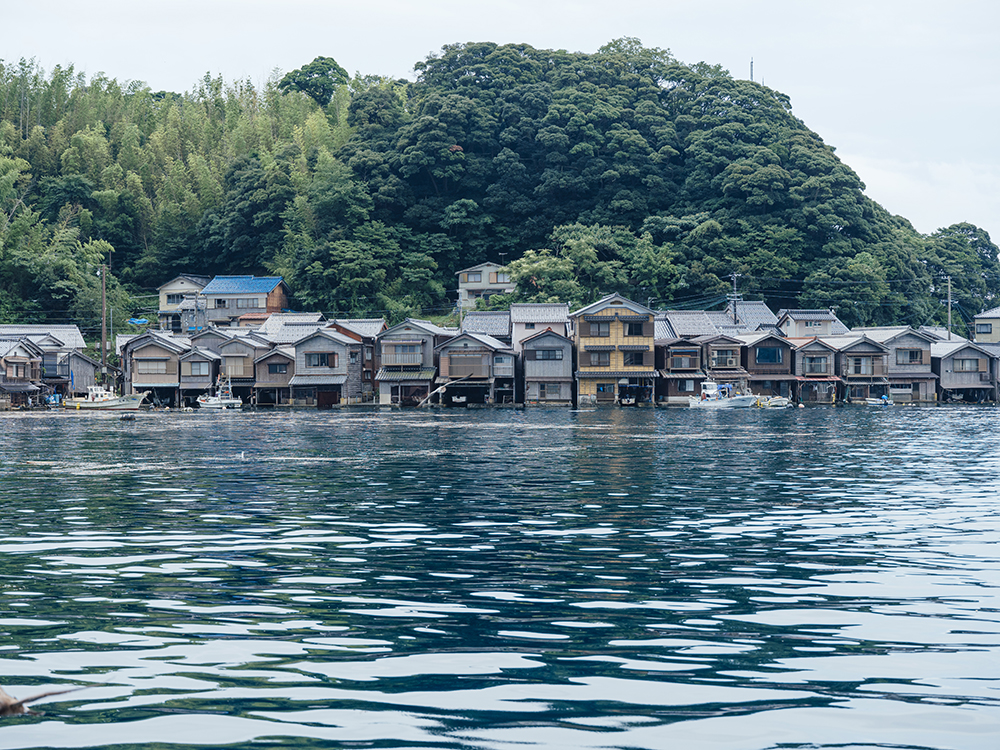
Ine-cho, a town with a population of about 2000, is located at the tip of the Tango Peninsula in northern Kyoto. The landscape that represents this town is the beautiful rows of “boathouses” that originated in the Edo period (between 1603 and 1867 in Japan). In 2005, the town was nationally selected as an Important Preservation District of Historic Buildings. Normally, hundreds of thousands of people from Japan and abroad visit the area every year to enjoy the scenery full of travel sentiment. Now, the town is a little quieter than usual. I would like to take this opportunity to interview the people living with the sea and mountains of Ine-cho.
On the Kyoto Jukan Expressway, I passed through Ayabe City and headed further north.
Looking with a sidelong glance at the bustle of Amanohashidate, I continued along the seaside road deep into the Tango Peninsula. The road gradually becomes narrower, and by the time I see the rows of boathouses in Ine-ura, it becomes diffi cult for even small cars to pass each other by. So, I decided to park the car and started walking slowly.
Aoshima, “the island of God,” fl oats in the bay with a gentle curve that seems to embrace the sea with two arms. Because of this miraculous topography, the sea of Ine is endlessly calm. At some point, fishermen began to live on the waterfront, opening up the limited flat land. And in the Edo period, boathouses began to line along the bay as garages (barns), which is the prototype of Ine’s boathouses, today.
There is a term “Equal Prosperity” which has been used traditionally in Ine-cho.
There are various opinions about its origin but one of them means “let us all prosper equally.” Whether fishing for amberjack, one of the top three fisheries in Japan, or whales, a blessing from the gods that enliven the bay, the people of Ine have been sharing the responsibilities of their respective districts for generations and working together as one. In a society where competition is becoming more and more fierce, the landscape of Ine may represent a value that needs to be reevaluated.
Ine joined the “Most Beautiful Villages in Japan” association in 2008.
Mayor Yoshimoto, who made the decision to apply for membership, became the chairman of the association in July last year.
“I was not looking for anything from the association. What I was looking for was a change in the feelings of the townspeople. I wanted everyone to have an awareness to keep the village to be called a ‘beautiful village’ for years to come.”
Mayor Yoshimoto thus described his thoughts on participating in the association to us in 2013. I could surely tell from what all the people in Ine told me in our interview sessions that they live with a sense of pride in the “beauty” of the place they live. “I live in a beautiful village,” the happiness of being able to say that seemed to be reflected on the clear surface of Ine Bay that shone as brightly as crystal.
Interviewed in July, 2021