Yoshino Town
Masayuki Fukunishi
The 6th generation owner of Fukunishi Washi Honpo
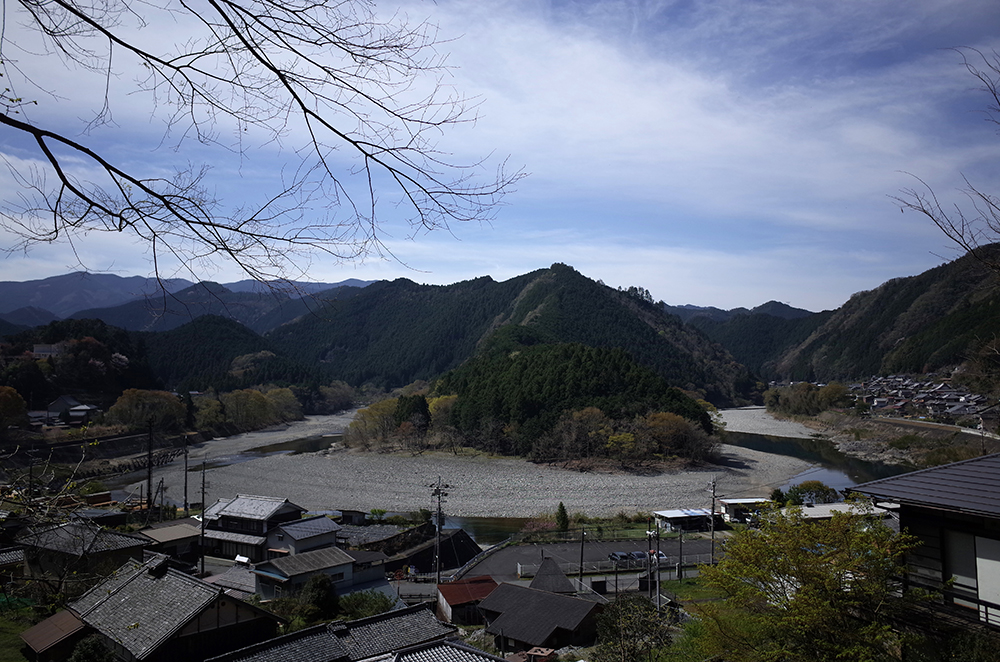
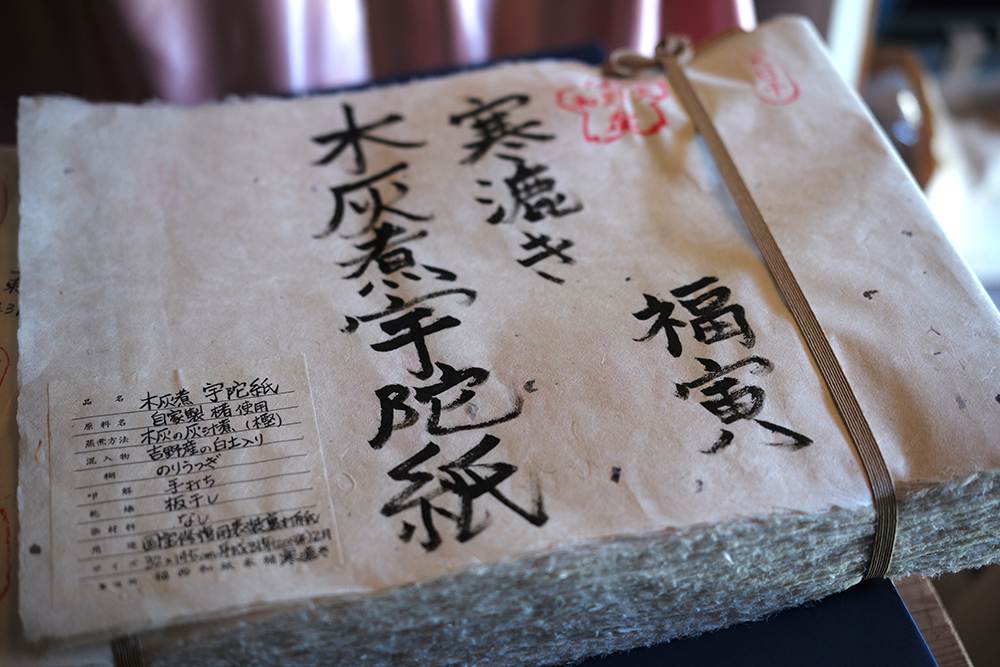
The Kuzu District has the history of 1300 years of papermaking is the oldest “Japanese Paper Village” in Japan. Uda-gami (Uda paper), made by the same method as a thousand years ago, is used in different genres from restoration of Japanese cultural properties to art, crafts and architecture.
“Traditional techniques must be continued, conveyed, and connected.”
It was the year of the Jinshin War in 672. Prince Oama (the later Emperor Tenmu) who raised an army in Yoshino in the civil war that was said to be the largest in ancient Japan over the succession to the Imperial Throne, taught papermaking and sericulture to people of Kuzu in thanks for their help. That is considered as the beginning of papermaking in Kuzu. In such a historical Kuzu village, they have continued its tradition as a papermaker who is their family business for many generations.
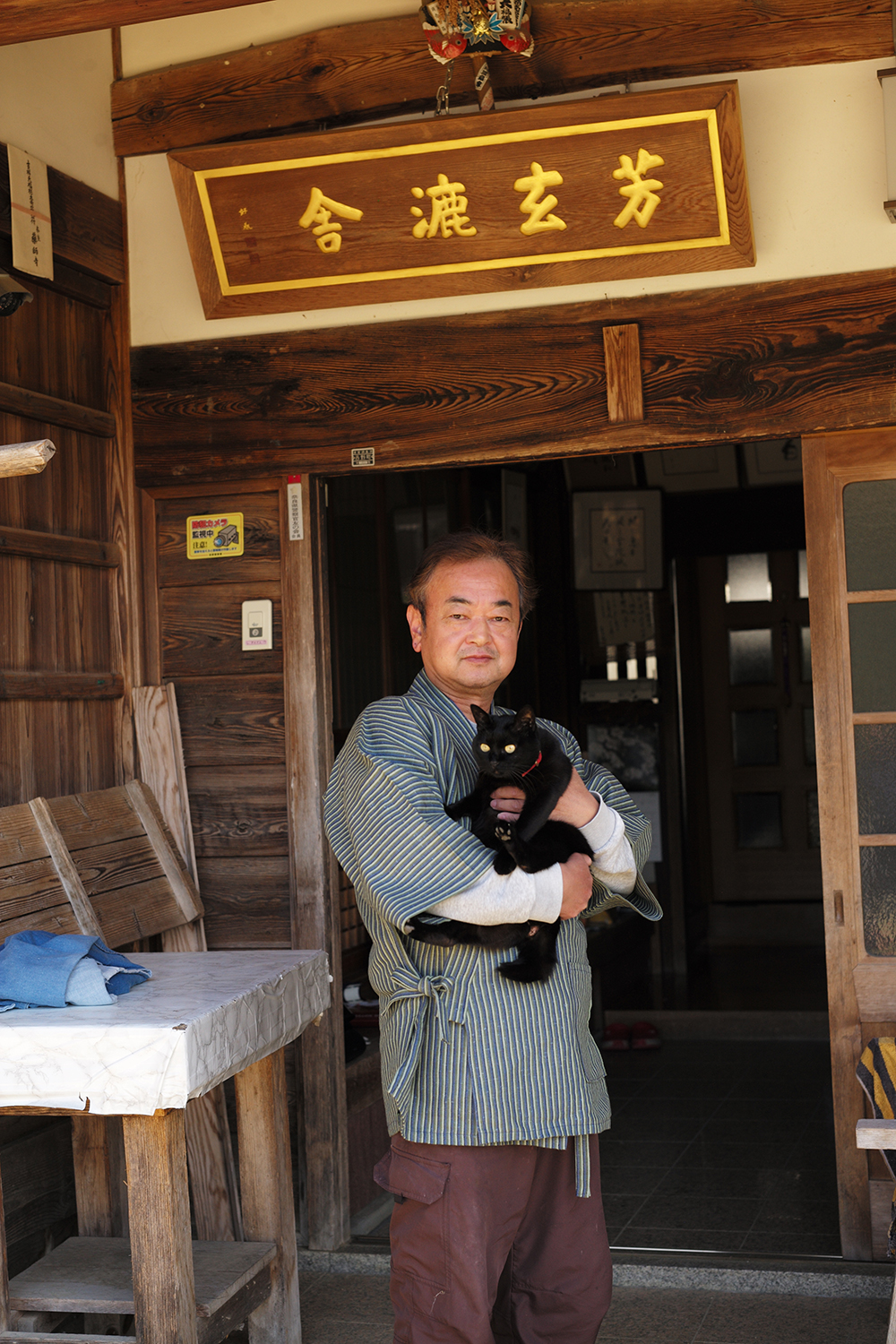
Masayuki's studio is built on the sunny slope of a very high place among the slightly elevated hills commonly found in Kuzu, Yoshino. At the front door, there are the letters “Hogenrokusha”. It means “a house that has been making Japanese paper in the land of Yoshino
since ancient times,” and it is said that Koin Takada, the owner of the Yakushiji Temple that has a connection with the Emperor Tenmu, wrote the characters.
When we visited his workshop, Masayuki was in the midst of the work of manually separating the pile of wooden fibers piled up on the table. That is the raw material of Japanese paper, kozo (mulberry fruit), and the damaged part that is not suitable for Japanese paper is removed from the fibrous mass that became blanching, after steaming the bark and peeling off the skin. That is continued for 3 days. “When simmering
the bark of kozo, the ash of the oak tree is used. In fact, melting by using chemicals, but then the paper will turn yellow after time passes. The product we supply is the Japanese paper necessary for "backing" to restore the calligraphic works and paintings of Japanese cultural property. We can’t restore the work without following the same method as old times, so we do Japanese paper making in the same way.
It is now rare to continue the process to grow the raw material kozo and dry the paper made from kozo in the sun called “Tenpiboshi”. It is a surprise that only three people of his family including Masayuki handle in mostly domestic industry this amount of work and heavy responsibility to be used as a restoration paper for national treasures.
The paper that has been made here since ancient times has been called “Paper of Kuzu”, since merchants from nearby Yamato-Uda-cho sold paper in the Edo Period, the name of “Uda-gami” was given. Its feature is excellent in strength and storage. Also, by adding “hakudo (white soil)” from Yoshino, there is no expansion and contraction of the paper and it becomes a paper that does not have book worm. Therefore, it
has come in handy as a “backing paper” to reinforce calligraphic works and paintings from the back side.
Uda-gami, is made one by one in the same way as a thousand years ago, is used to restore Japanese cultural properties held by foreign museums such as in the United States, and the British Museum in the United Kingdom. Masayuki, who bear the title of the holder of the selected conservation techniques of “Handmade Japanese paper for surface tools” by the Agency for Cultural Affairs, actively goes museums all over the world as a “craftsman” who supports restoration secretly and there has been more opportunity to talk in front of people wherever he goes increases. Next schedule is a papermaking workshop at the Manggha Museum of Japanese Art and Technology in Krakow, Poland. At foreign museums, he also had the valuable experience of entering the restoration room. “I thanks to this job because I can see the restoration site that we can't see usually. It's very grateful.”
Masayuki is involved in a special world is not available to the public, such as Japanese cultural properties, shrines in connection with the Imperial Family, and the Imperial Household Archives (department that handles documents related the Imperial Family). “Although this is the business of our predecessor, it is really thankful. 'We must make things honestly,' It was my father's teaching as the predecessor,” he said. On the wall inside the studio, poster with the words of the predecessor, “Traditional techniques must be continued, conveyed, and connected”, is displayed. “That's absolutely true. I think I must continue to work conscientiously in the future.”
Interviewed in April, 2019
Writer : Hideko Takahashi / Photographer : Hiroyuki Tamura