Mishima Town
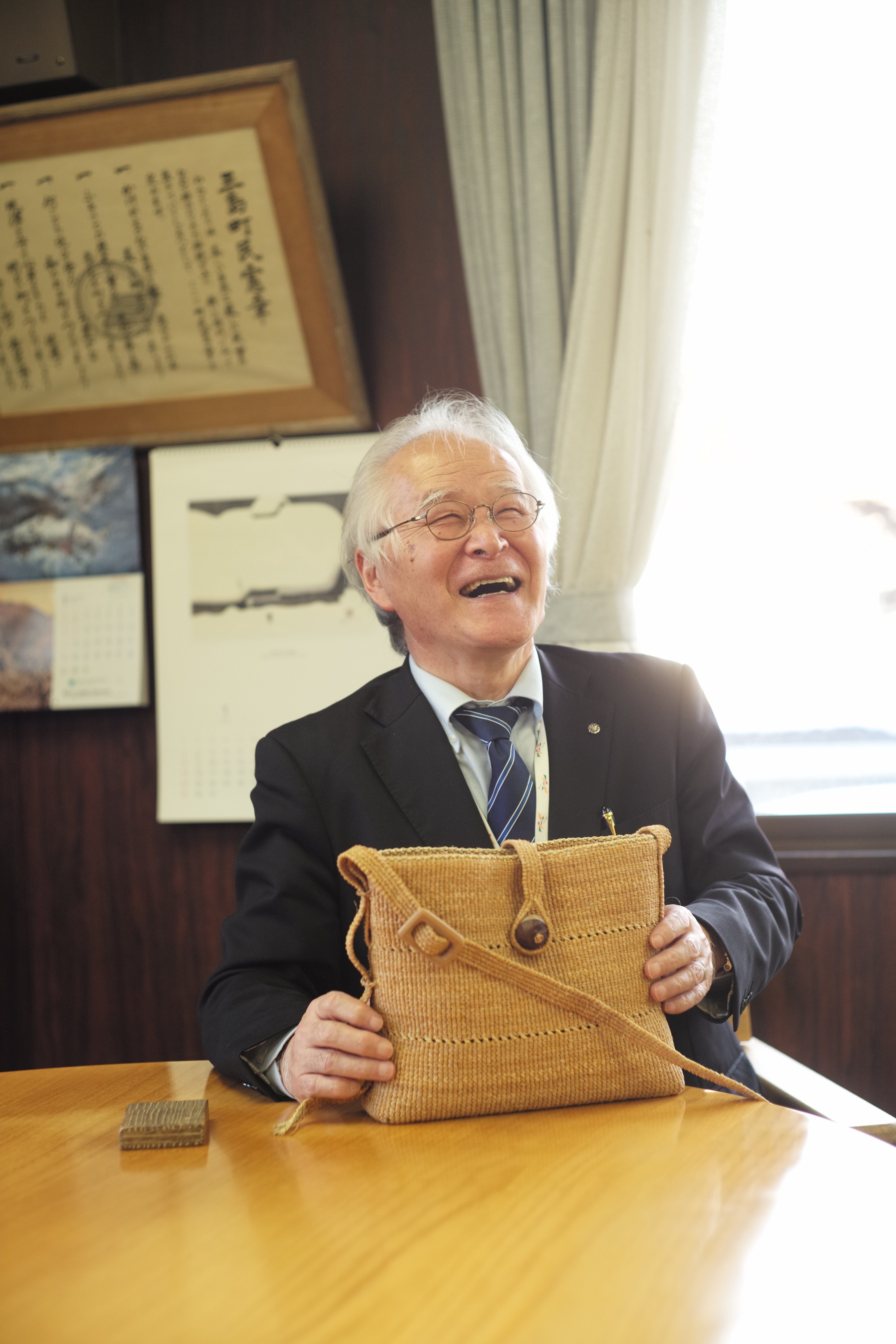
Gensei Yazawa
Mayor of Mishima Town
About 40 years ago, he experienced firsthand the birth and development of a special townspeople system called the “Hometown Movement” (to have urban residents become special townspeople and promote an ideal hometown development together with the town) as a townhall staff. After assuming office as town mayor, he has inherited that spirit and promoted measures to further develop it. The unchanging goal is to foster human interaction as a “spiritual hometown” and a warm local community.
Knowing about history and looking at the present. We will depict a story of the town.
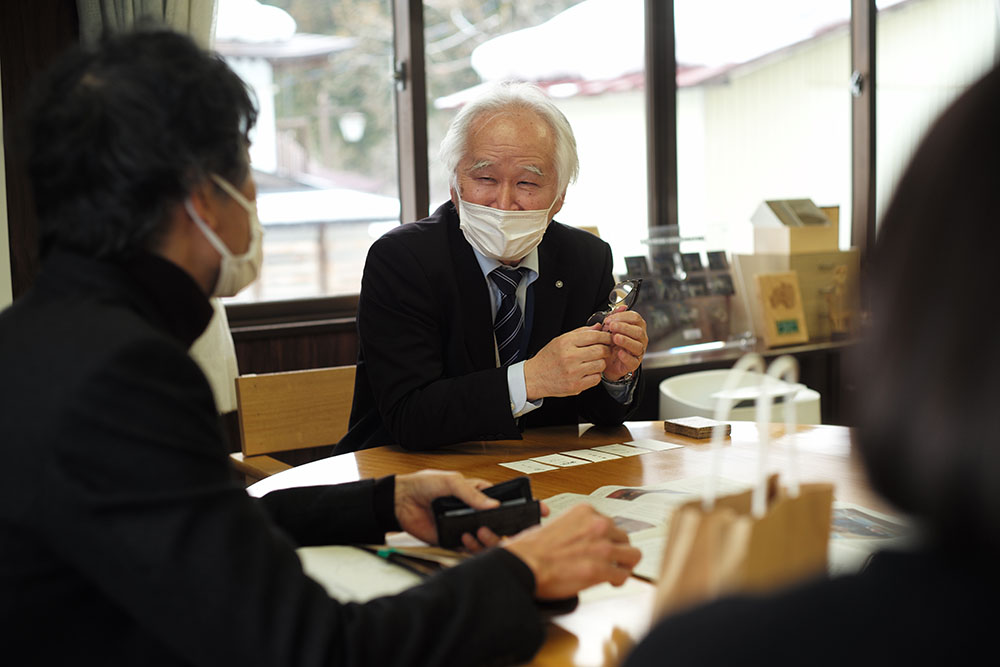
“In Tokyo, I was involved in a poetry coterie. But when my mother passed away at the age of 42, I came back to Mishima. That's why it wasn't fun to be in the office at first.” What changed his mind was the hometown movement, which had already started at that time.
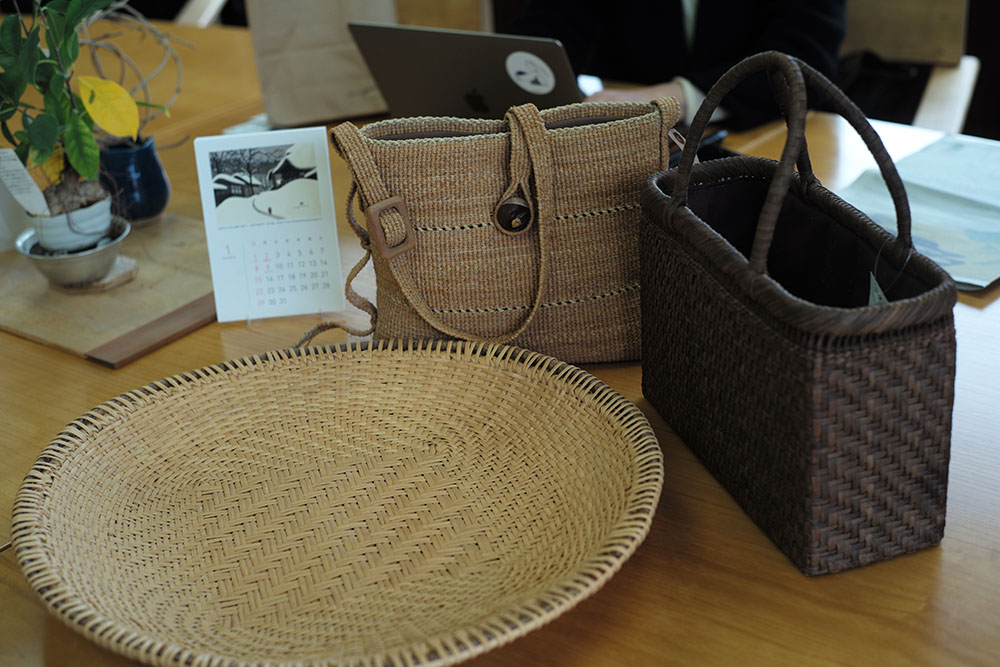
“What we learned from the experts in the ‘Hometown Movement' is the importance of not only focusing on the 'current location', but also going back and learning about its origins. For example, in the case of the 'Lifestyle Crafts Movement,' lacquered baskets thought to be from the late Jomon period, about 2,400 years ago, have been excavated from the ruins of the town. It can be said that there is the origin of lifestyle crafts that continue to this day. We can continue to inherit the culture with even greater pride by knowing that kind of history.”
In addition to such “deeper improvement of our near affairs”, what has made this town shine is the efforts of human exchanges that have been carried out ahead of the rest of the country. While there is an image that rural areas tend to be closed off, the movement has been stimulated, refined, and developed by the fact that Mishima Town has always attracted the attention of outsiders, from academic experts to everyday people.
“It is 'immutability' called in a historical idiom. We are not afraid to change in line with the times while maintaining universality. Human exchanges will tell us that “a part that need to change”. Weaving craftsmanship was also needed by many people because the bag was created in line with modern daily life, and the technique was able to be preserved.”
Interviewed in January, 2023
Writer : Mikiko Tamaki / Photographer : Hiroyuki Tamura