Manno
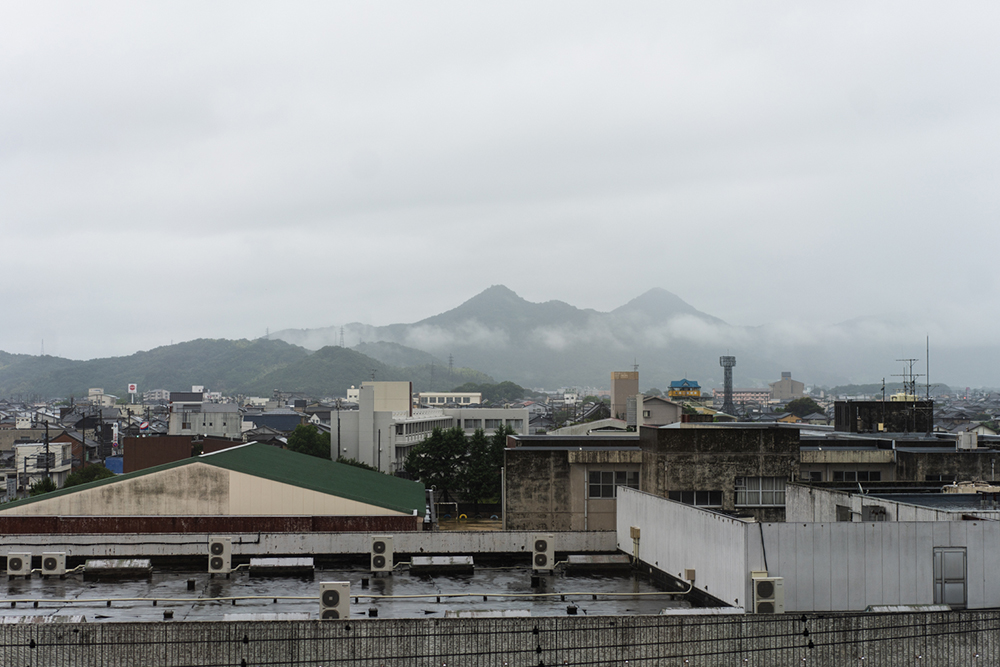
Manno Town, Nakatado District, Kagawa Prefecture
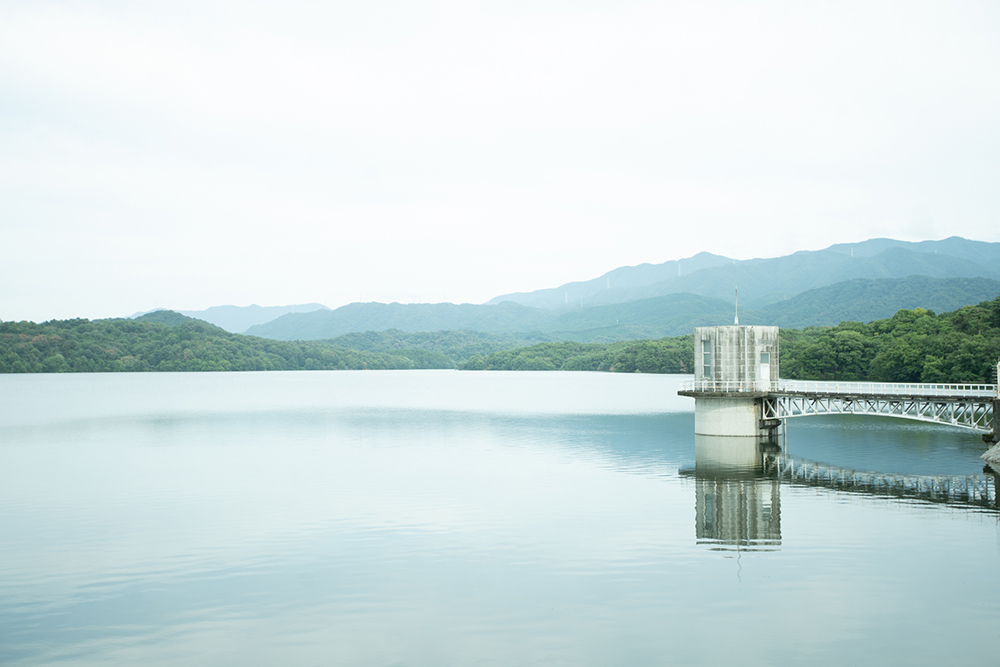
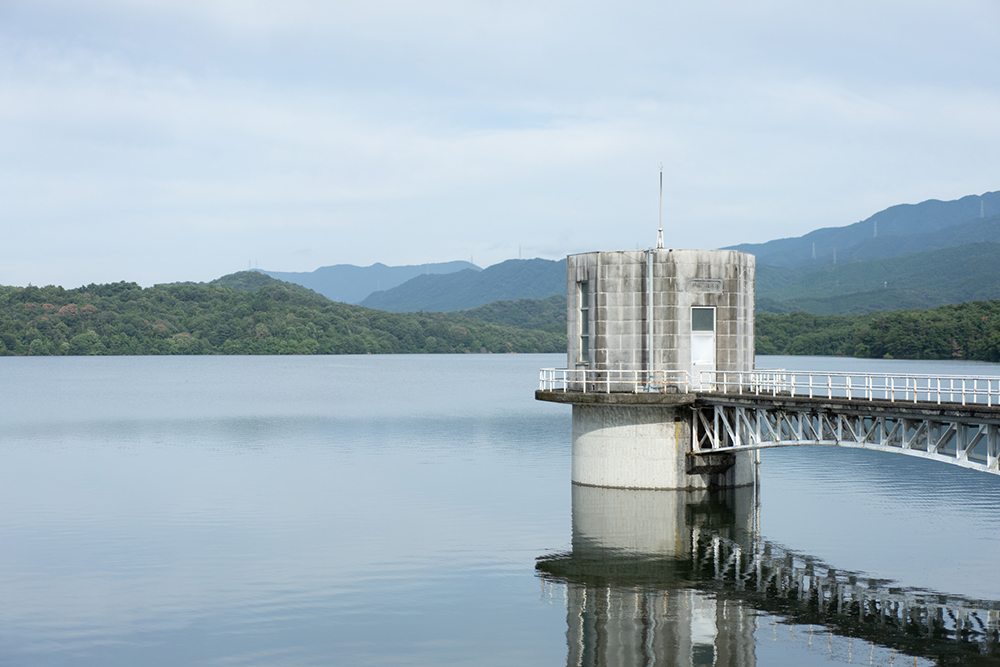
There are as many as 840 reservoirs scattered throughout the town, including Mannoike Reservoir, the largest agricultural reservoir in Japan. Under the unique climate and geography of Kagawa, past generations struggled to secure water, driven by a desire for stability and peace. This spirit—of “doing what we can for the town”—continues to be passed down to this day.
Kagawa Prefecture is known for its warm climate and frequent sunny days. But that also means a scarcity of rainfall. Manno Town is no exception, with a long history of struggles against water shortages. People built reservoirs to irrigate the fields, and sometimes sang and danced to pray for rain, coming together to face the forces of nature.
The primary industry in the town is agriculture. This suggests that quietly carrying on the traditions that have endured in this area for generations have become an integral part of people’s daily lives. However, in this town, it’s not simply about preserving the traditions. Many people stand out for their dedication to thinking about what they can do for the town, putting in their best efforts, and persistently carrying on various initiatives.
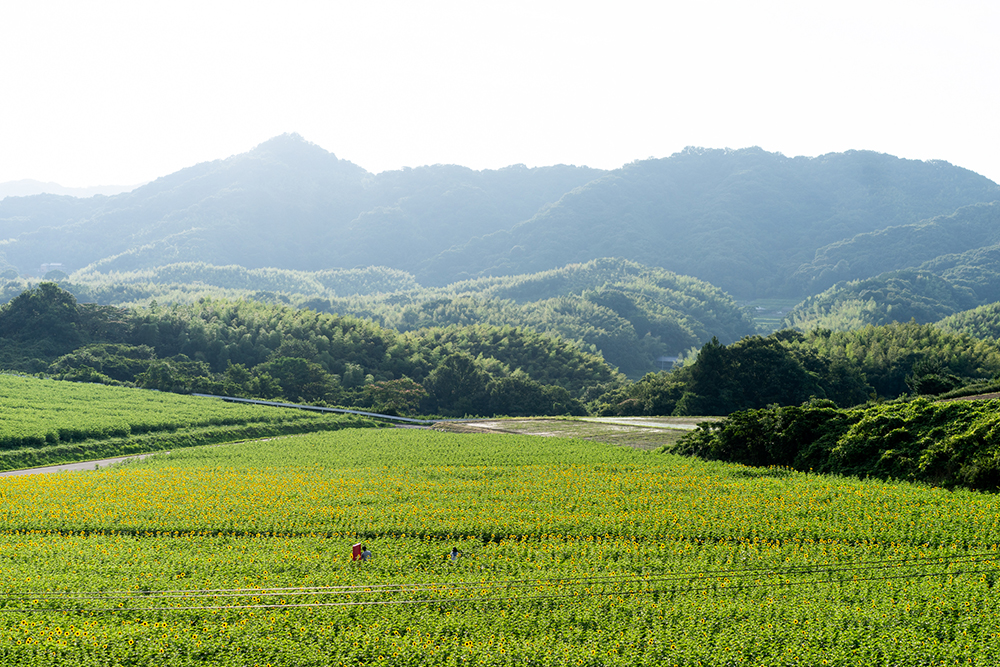
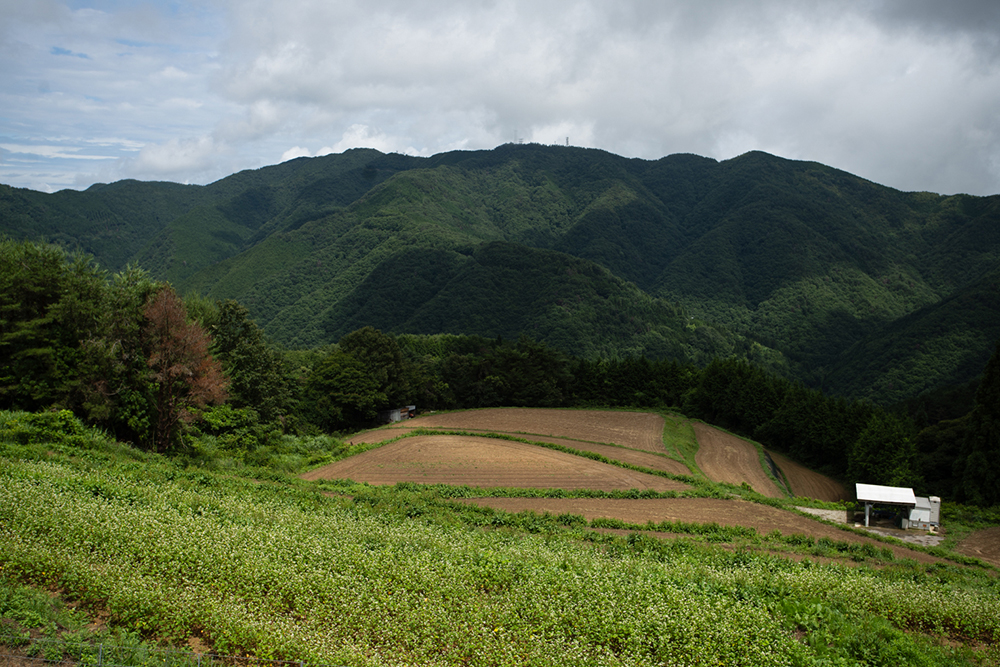
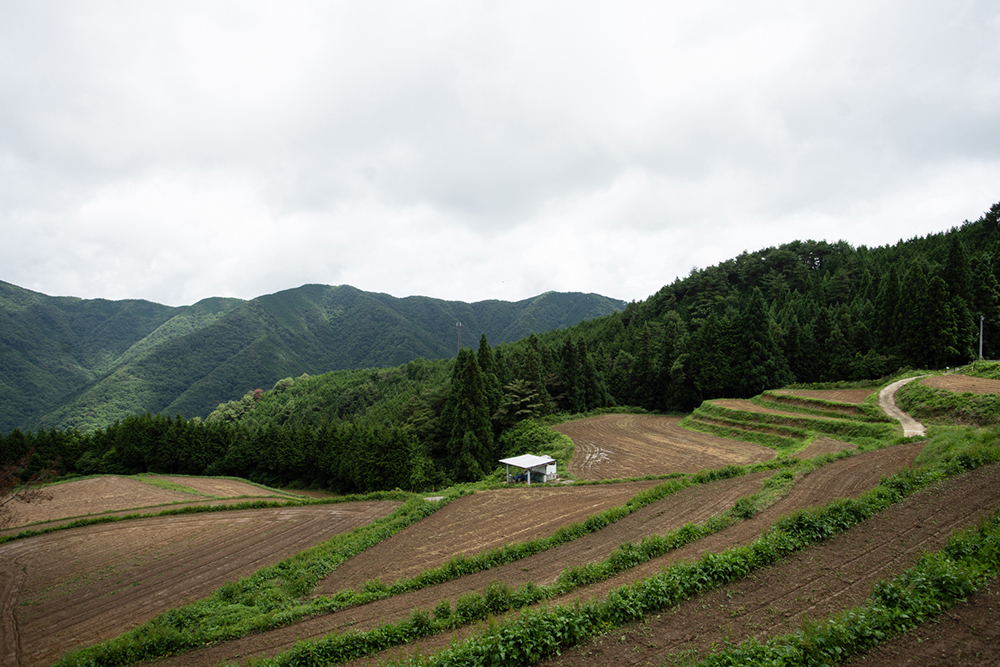
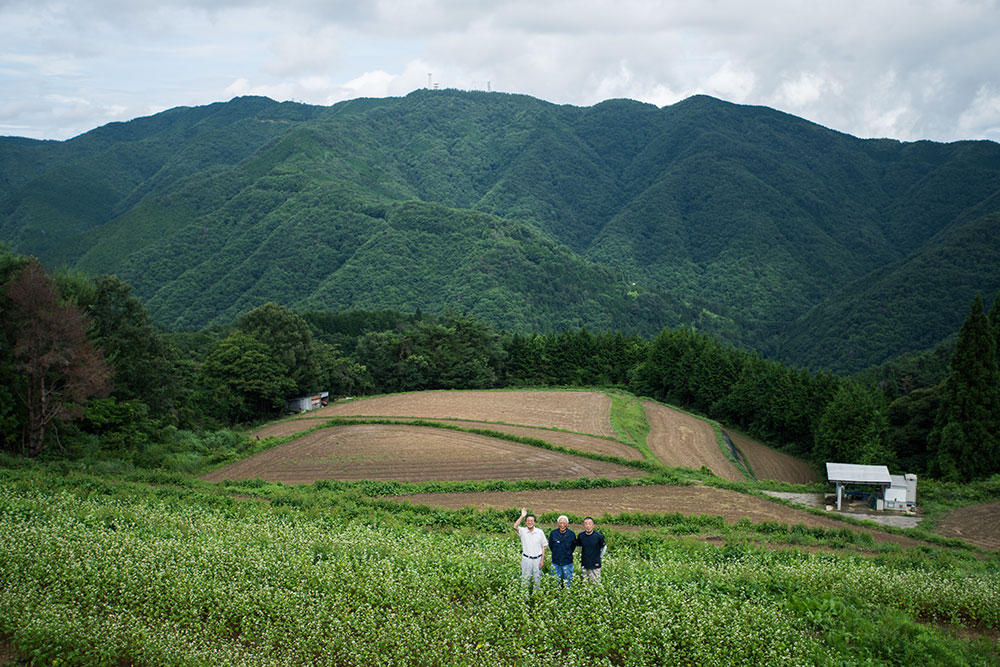
35 years ago, in Honoyama, Chunan District, local farmers began cultivating “sunflowers” as an alternative crop on fallow land. Since then, the planting area has gradually expanded, and today, an impressive landscape of one million blooming sunflowers graces the town every year. In Shimagamine, Kotonami district, the enthusiasm of a local leader who has been running a "soba-making dojo" for over 20 years has inspired others, and volunteers have come together to reclaim the abandoned land. They created beautiful, terraced fields for growing soba, which now attract many visitors and fans. These initiatives, all started by local residents, have borne fruit and become new tourism assets for the town.
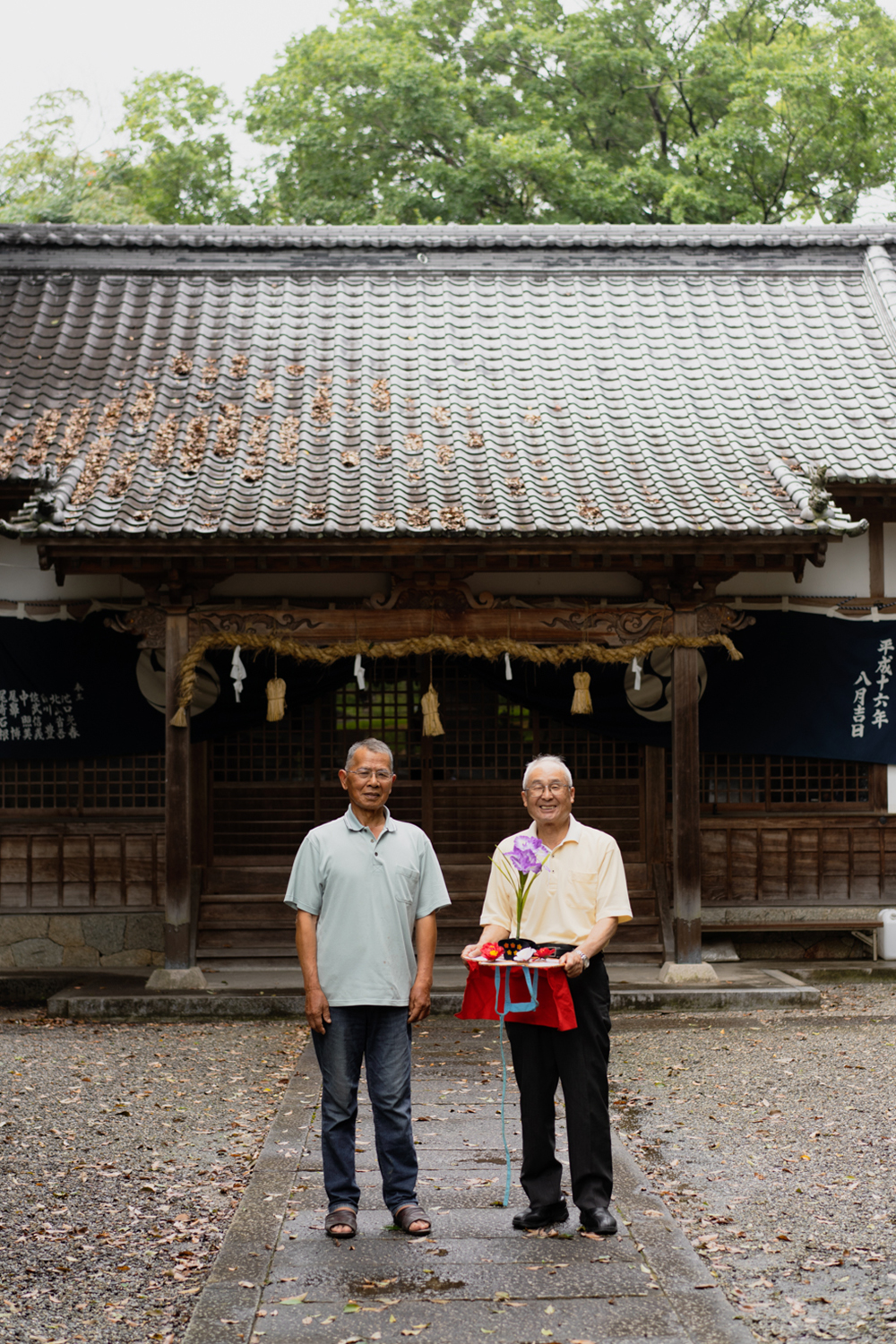
In addition, in Sabumi, Chunan District, the “Ayako-odori,” a traditional dance with origins in the Heian period as a rain-making ritual, continues to be passed down through generations. In 2022, this dance was recognized as part of the UNESCO Intangible Cultural Heritage list under the category of “Furyu-Odori,” a traditional Japanese folk dance, marking a new chapter for this historic tradition.
Interviewed in October, 2024