Hayakawa
Hayakawa Town, Minami koma-gun, Yamanashi Prefecture
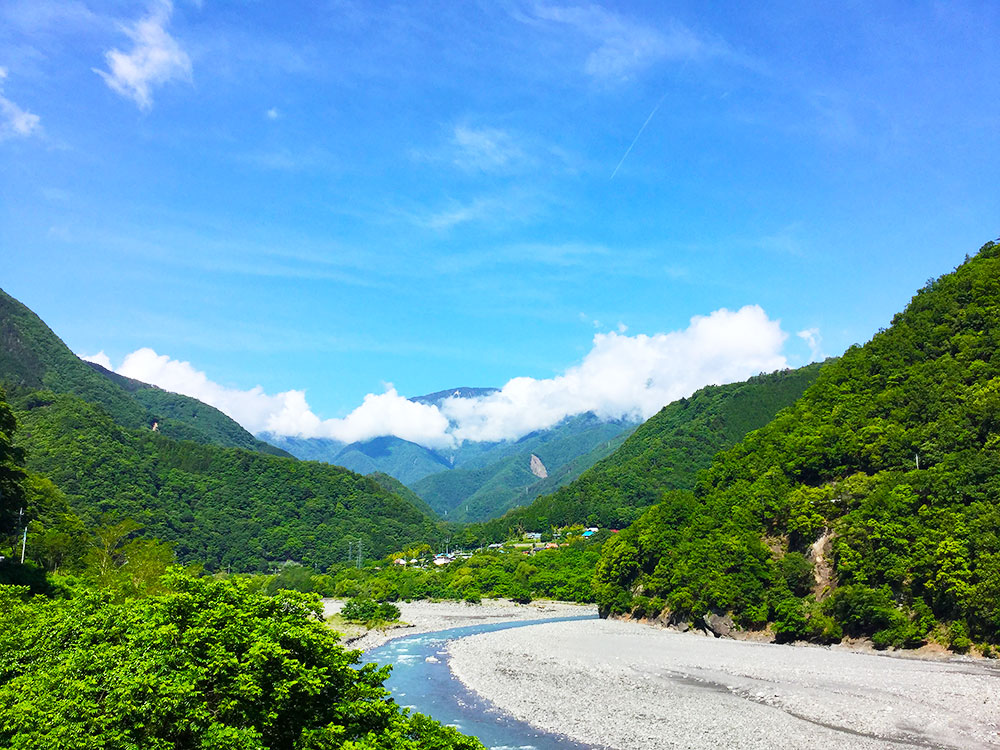
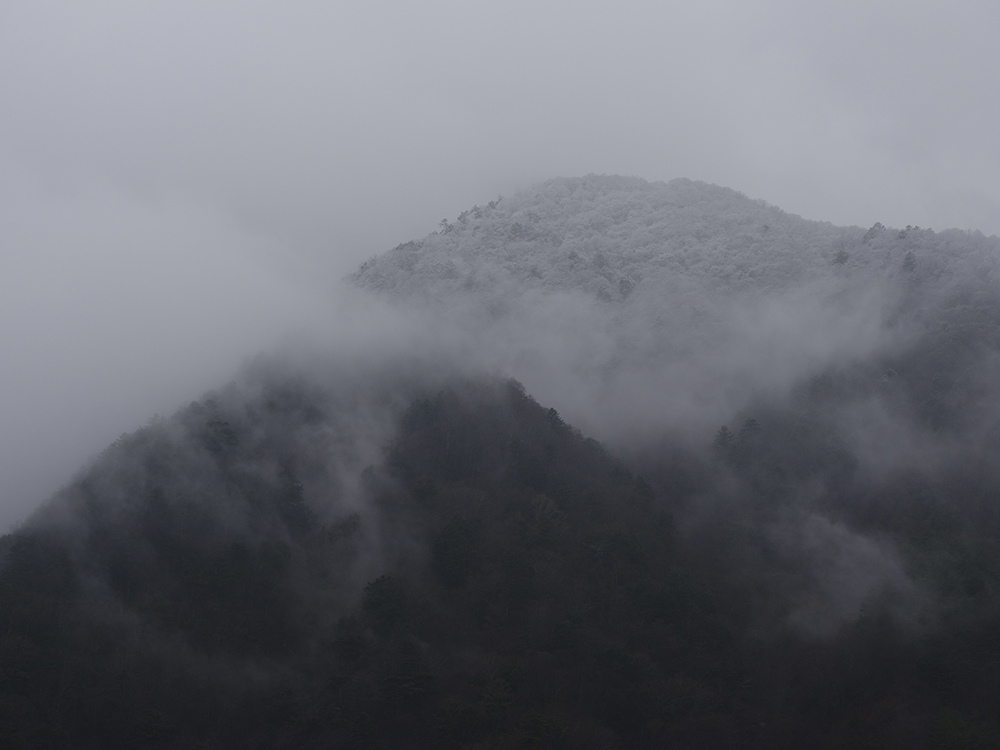
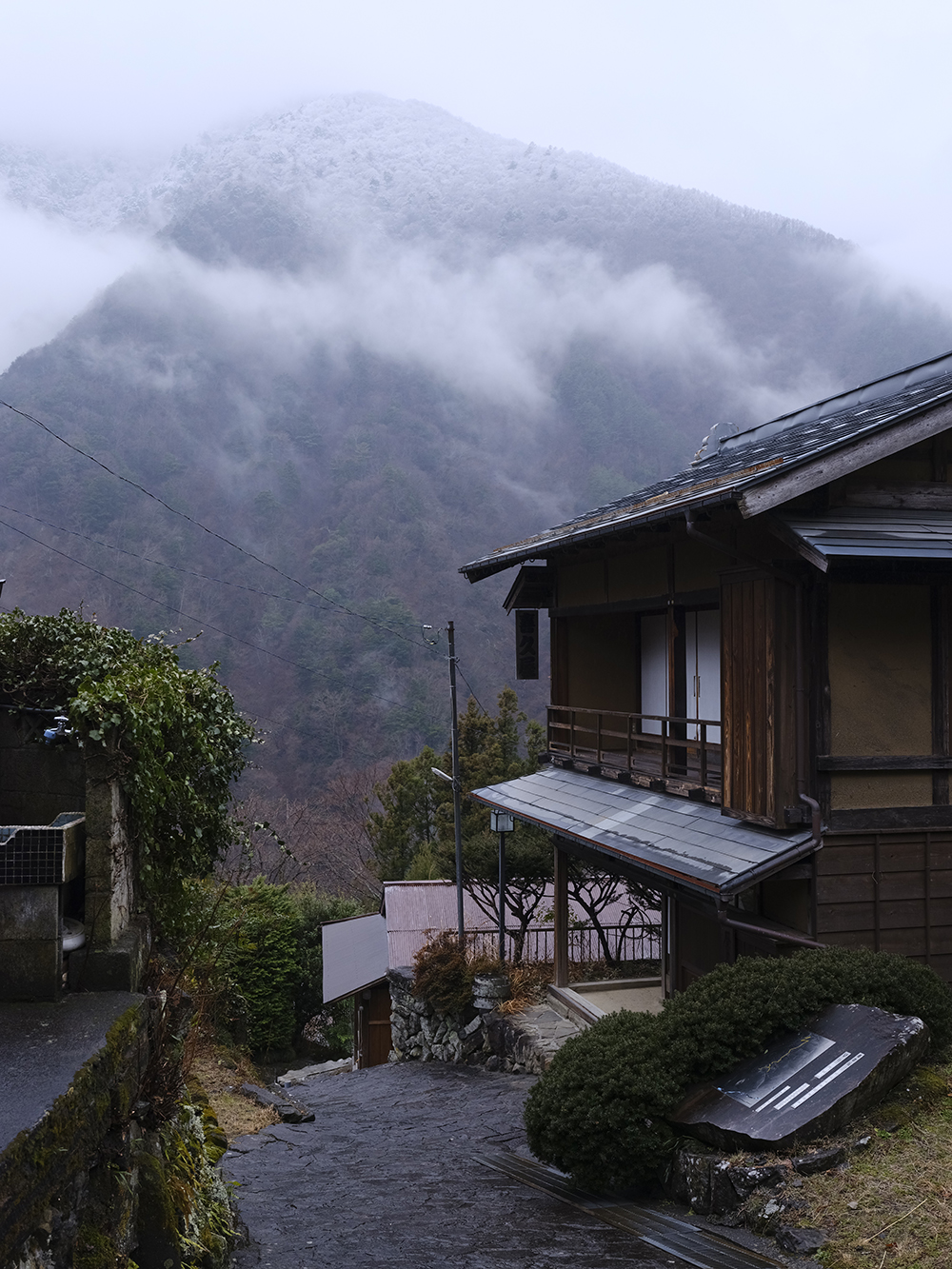
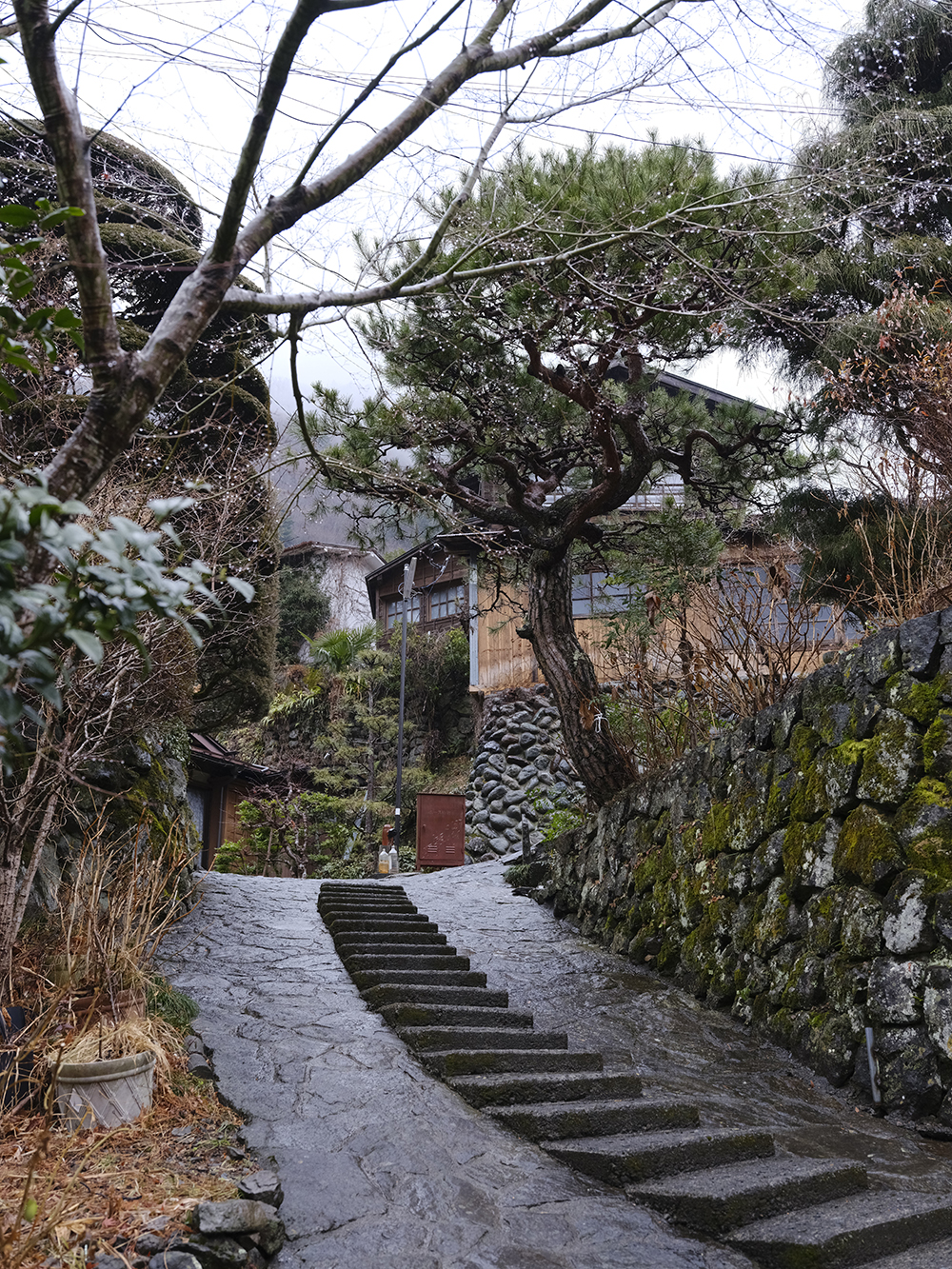
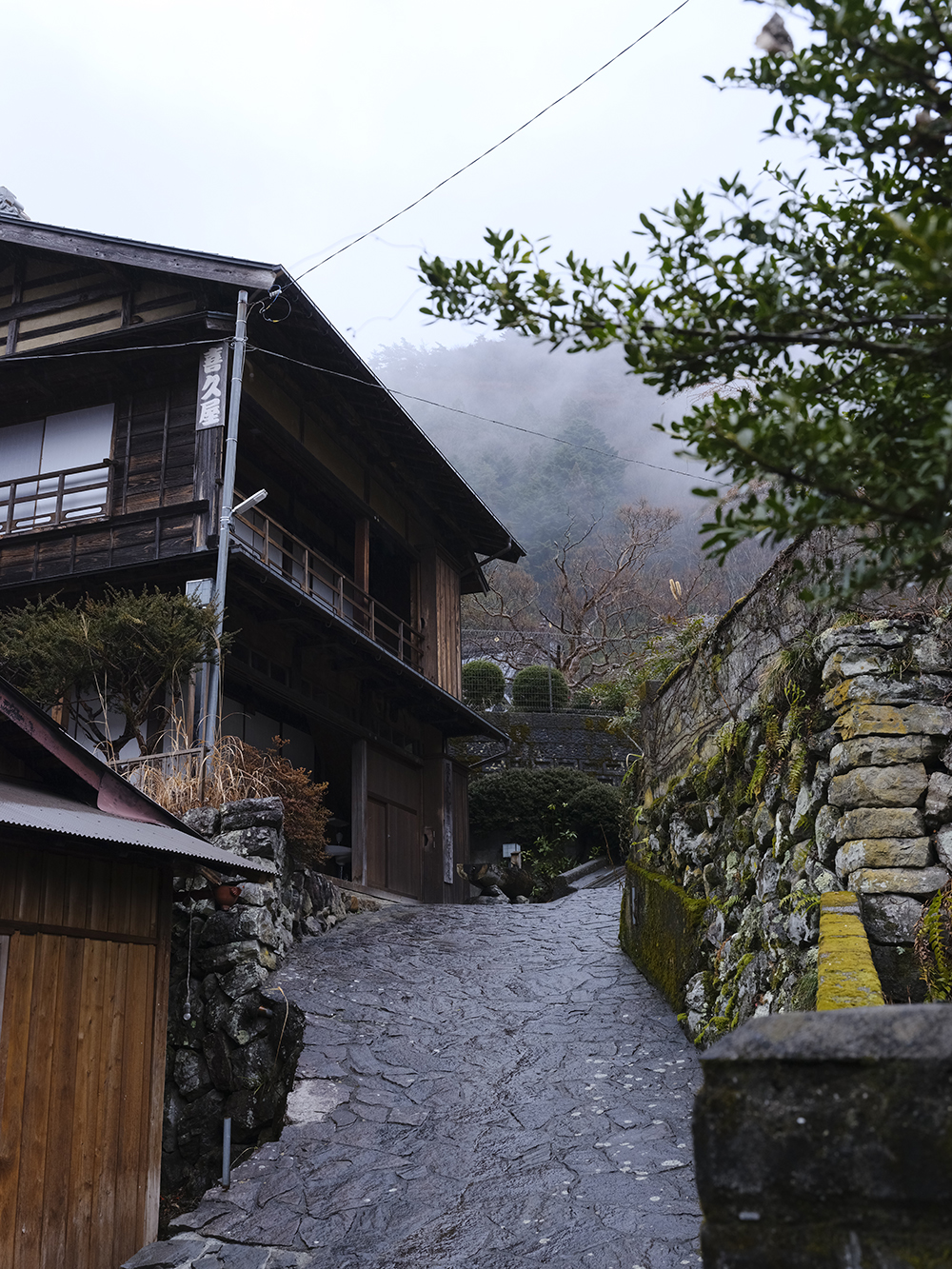
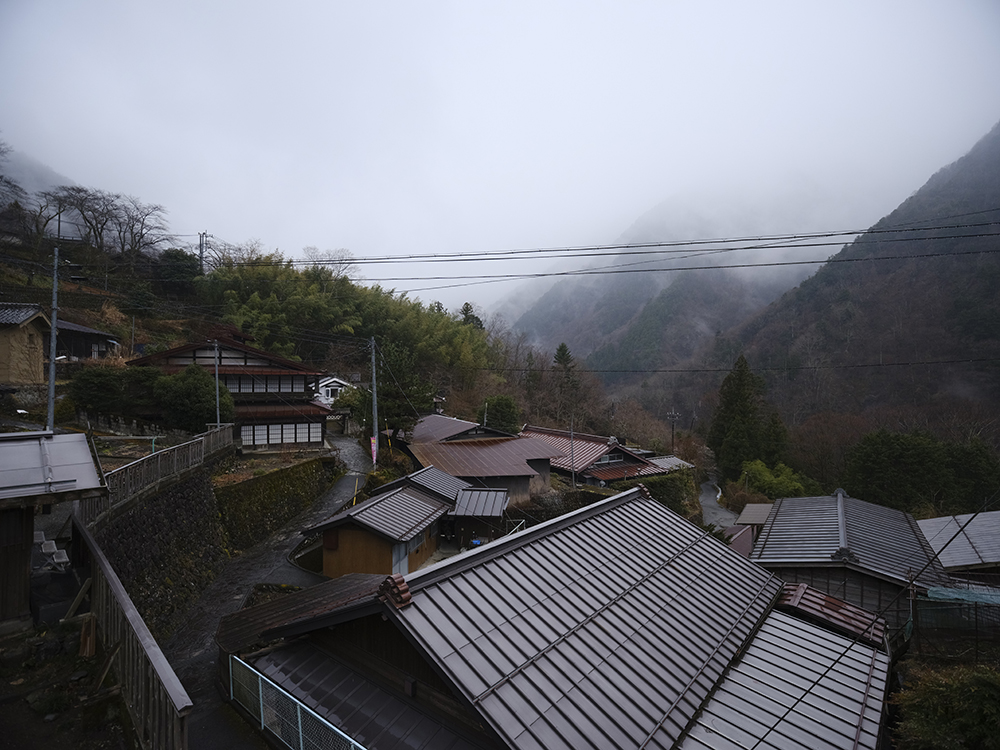
I got off at an interchange of Chubu Odan Expressway and drove west as if to jump into the heart of mountains. The scenery of Mt. Fuji came distant as I drove a narrow road with numerous curves and steep slopes. It is almost like a ritual for us travelers to feel a certain uneasiness and much expectation as we approach our destinations. That must be one of the reasons why I was especially impressed to see beautiful villages and meet wonderful people after a long green tunnel in the mountain. It is indeed a special place.
Hayakawa-cho is located in the southwest of Yamanashi prefecture. Six villages that surrounded an A-class tributary river of Fuji River known as Hayakawa River merged in 1956 and became Hayakawa-cho. The town did not participate in so-called “the great Heisei mergers” under unanimous decision of the townsmen. As a result, Hayakawa-cho became the smallest town in Japan. Currently about 994 people live in this town of tourism and forestry, making use of its rich natural environment such as abundance of greens and hot springs.
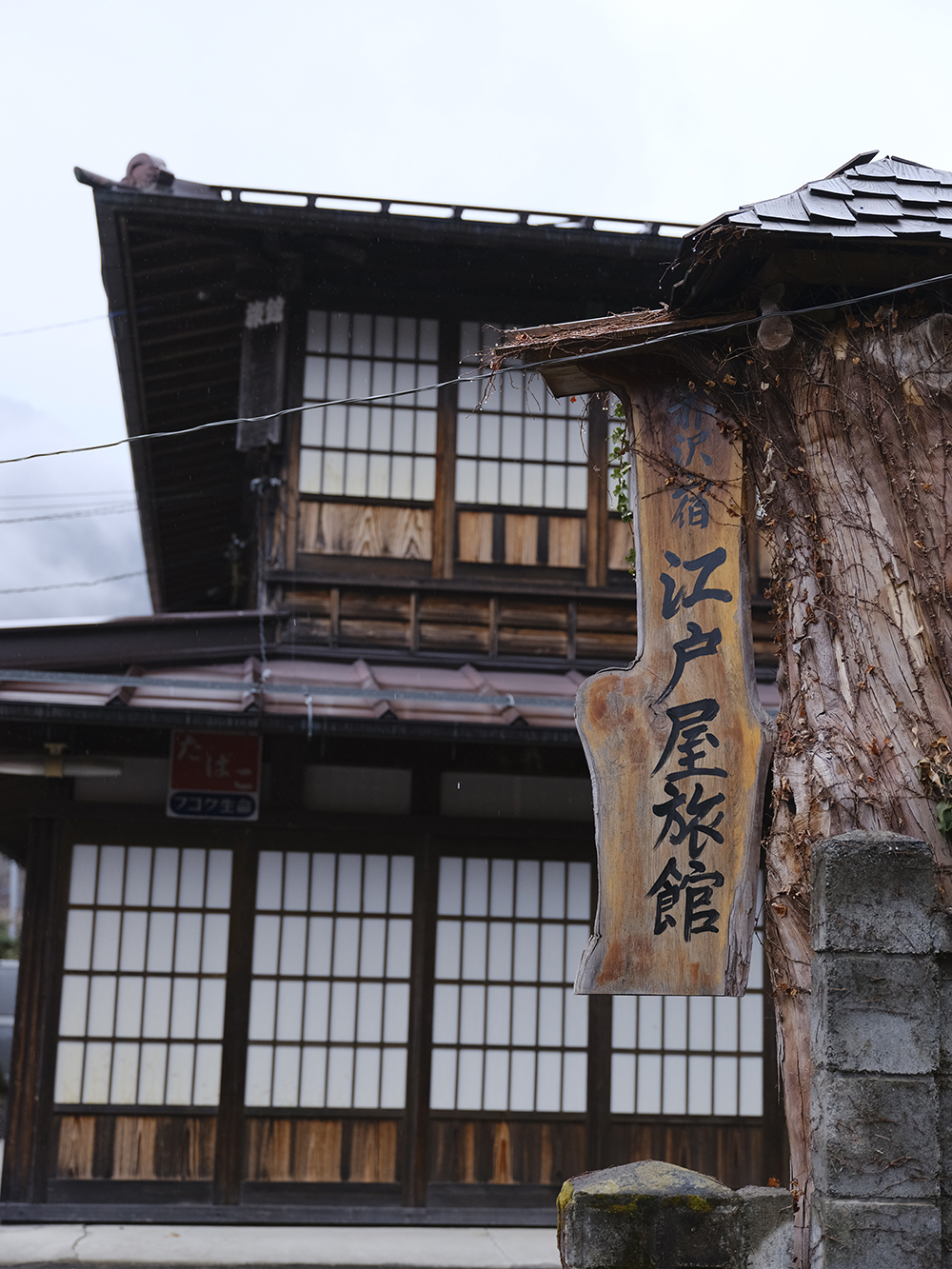
Hayakawa-cho became associated with The Most Beautiful Villages in Japan Association in 2009. The registered regional resources are so diverse to come from such a small village: Akasawa-syuku, known as a post town of worshippers, the slash-and-burn farming culture of Narata village as known as Hikyo-no-Sato (Unexplored Region), and Amehata Suzuri, a brand of inkstone beloved by many professional Japanese calligraphy artists. Being diverse is to be expected because what Mayor Kazuyuki Tsuji currently in his eleventh term aims at since his very first term, is to “discover our own resources of six villages and liven up the town.” He thinks what makes people feel familiar and love their home town is not the convenience of centralization but the level of satisfaction of local everyday life.” Specifically, he set up six characterized hubs in the areas of each former village and organized “Japan Upper River Culture Institute,” a town thinktank/intermediary which is now an Not-for-Profit Organization.
The key concept of the organization was derived from the interviews given to local people about the characteristics of the town:
- Severe, rich and complicated natural environment “Hayakawa-iri”
- All-round knowledge and technique which make us self-sufficient “Man-nou-gan”
- The spirit of mutual aid “Yu-ge-shi”
While nurturing knowledge and technique that give the townsmen the ability of self-sufficiency, they try to keep the spirit of mutual aid – isn’t this a way all of us who live in the age of climate crisis and limitation of natural resources should be?
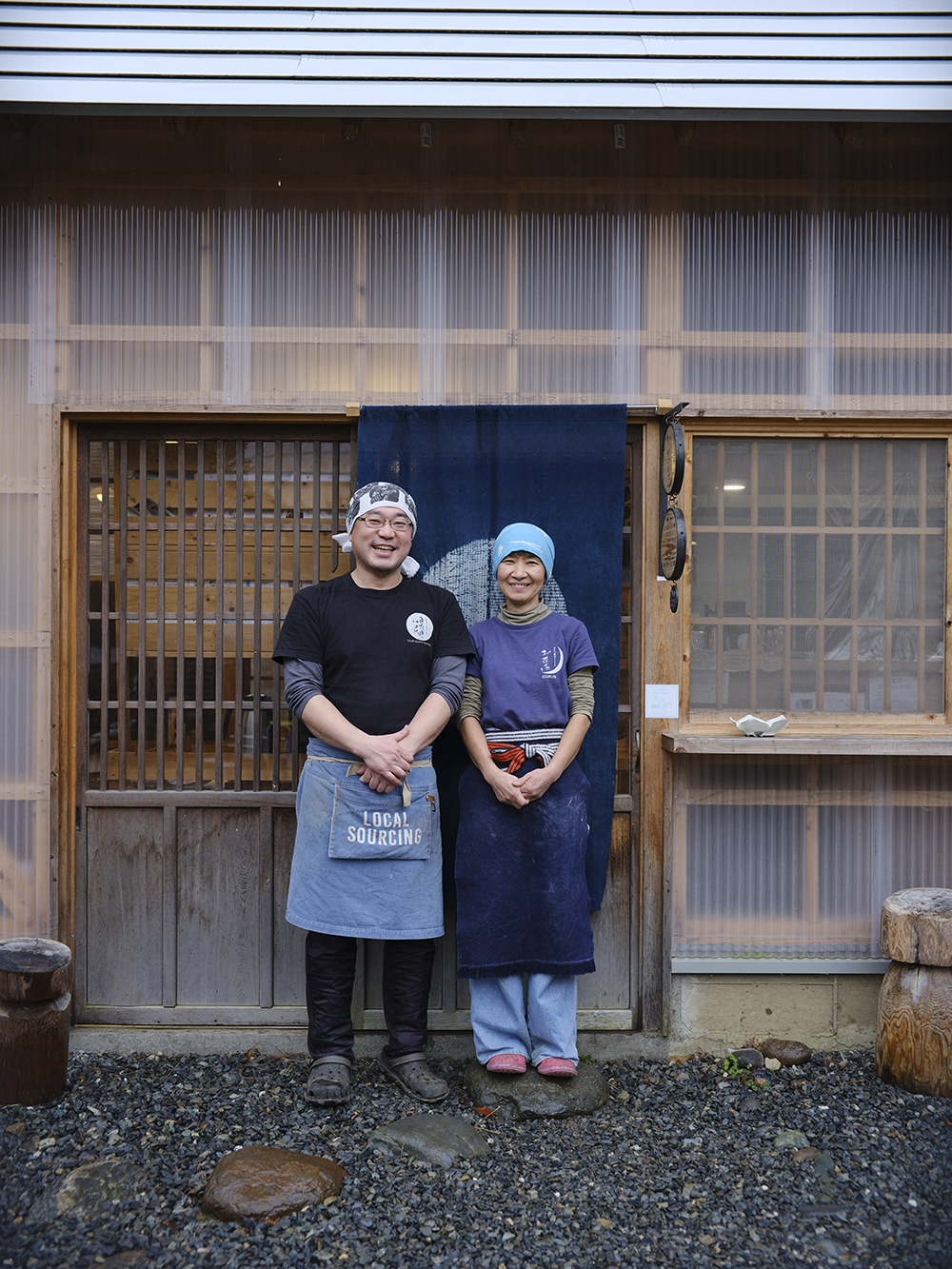
Because the town is close to the nature it is often stricken by landslide disaster. The aging rate of 48.09% tops the whole prefecture which gives the village management serious challenges. Still, the locals love the culture of their own regions and many told me how happy they were to live in their local villages. What is “municipality,” “population,” and “true wealth”? What we learn from each “beautiful village” is limitless. The people of Hayakawa-cho prove that with their warm smiles.
Interviewed in January, 2021