Totsukawa
Totsukawa Village, Yoshino-gun, Nara Prefecture
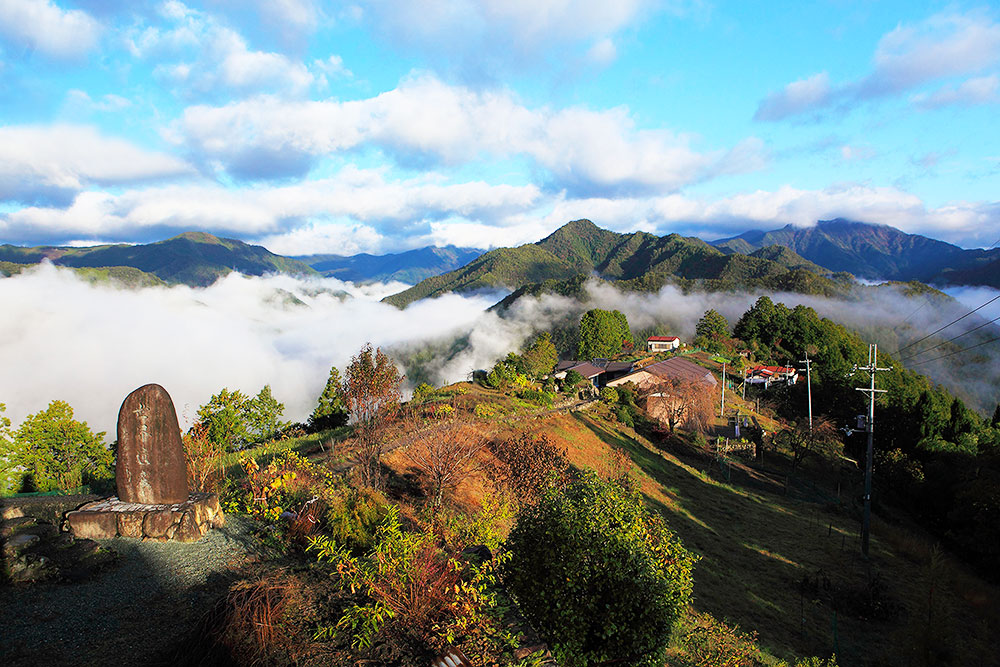
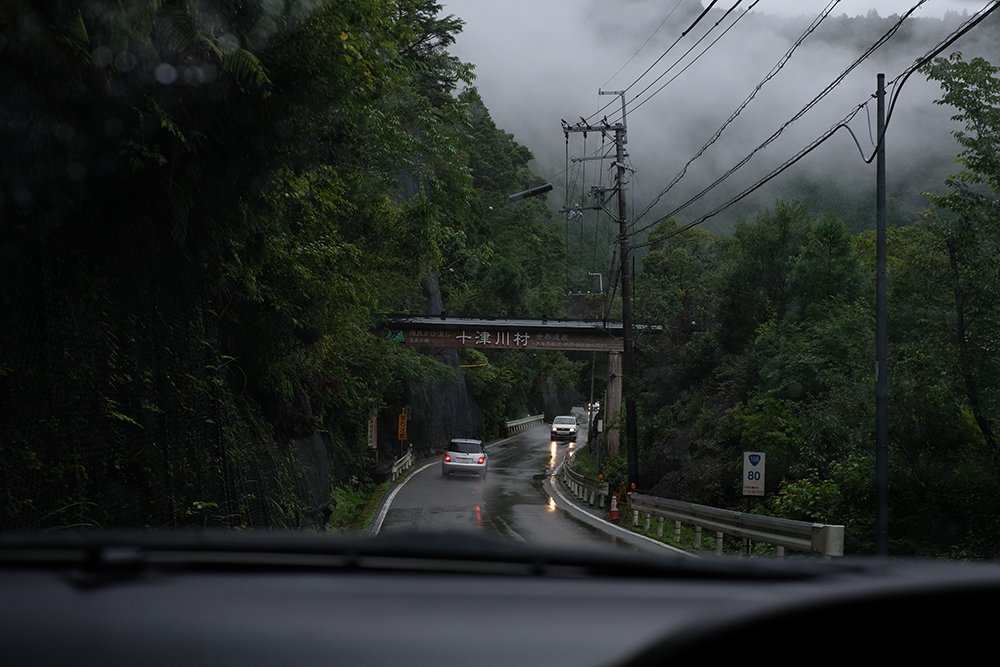
Totsukawa-mura is located in the southernmost point of Nara Prefecture and the center of the Kii Peninsula, adjacent to Wakayama Prefecture in the west and Mie Prefecture in the east. It is approached by the mountains and the topography is steep. A village where “the Totsukawa spirit” was born from coexistence with harsh nature lives. Let's go on a trip going around Totsukawa leisurely taking the longest route bus in Japan.
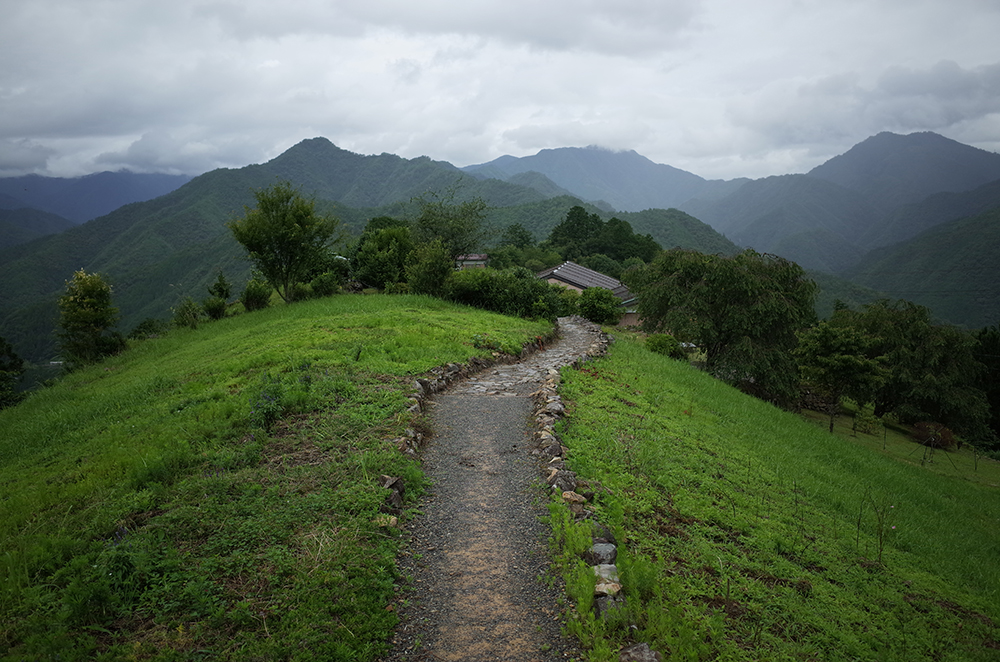
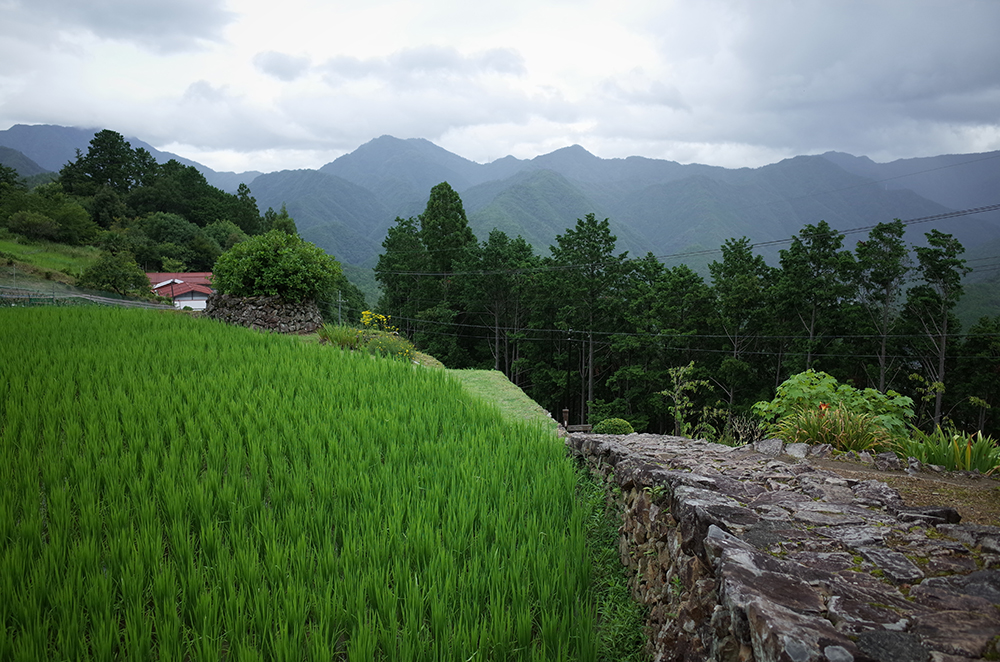
Totsukawa-mura cover one-fifth the area of Nara Prefecture. 96% of the area is covered by forests and it is covered with mountainous area surrounded by mountains as much as 1000 meters high. There are almost no flat lands, more than 200 villages scattered on steep slopes and about 3,300 villagers live.
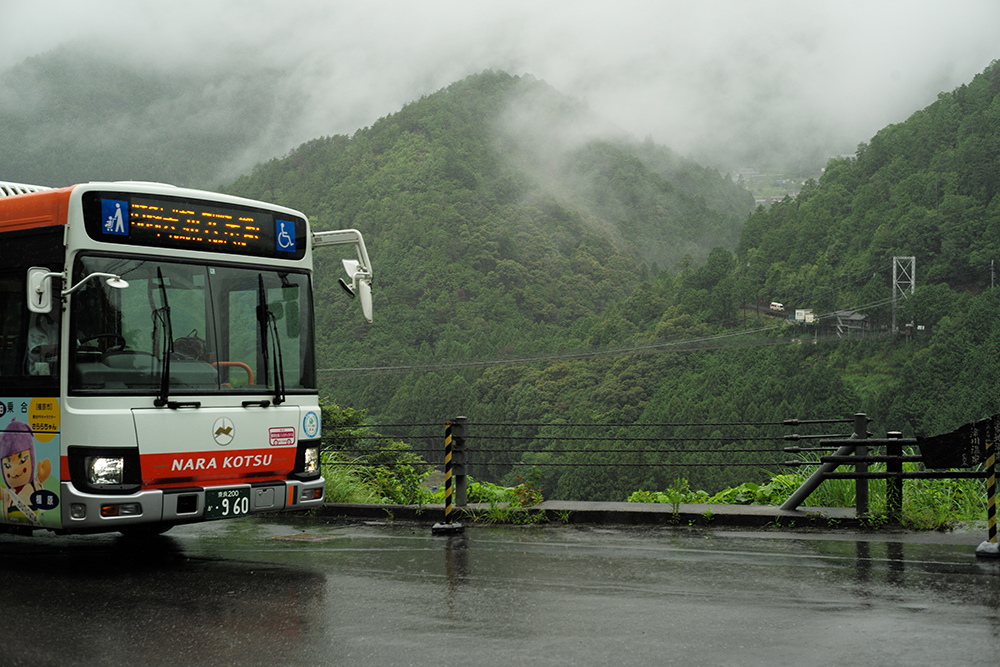
The mode of transportation is car or bus. Yagi Shingu Line, known as “Japan's longest route bus”, is a route bus that connects Kintetsu Yamato Yagi Station in Nara and JR Shingu Station in Wakayama, with a total length of 167 km. The bus drives through spots such as Tanize Suspension Bridge, Totsukawa Onsen, and Kumano Hongu Taisha Shrine, and arrive at the terminal Shingu Station in 6.5 hours.
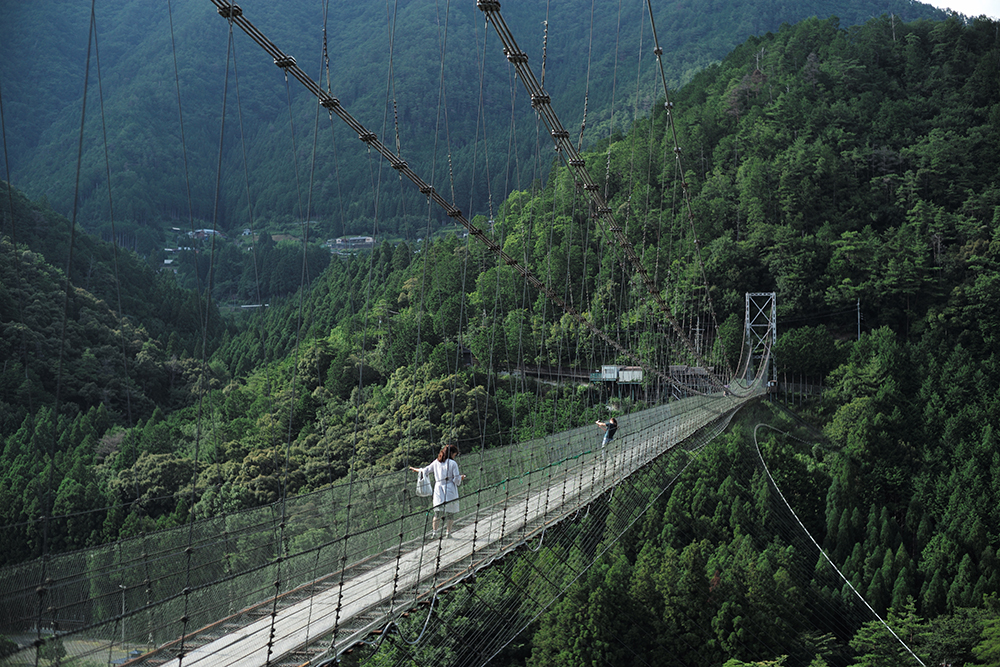
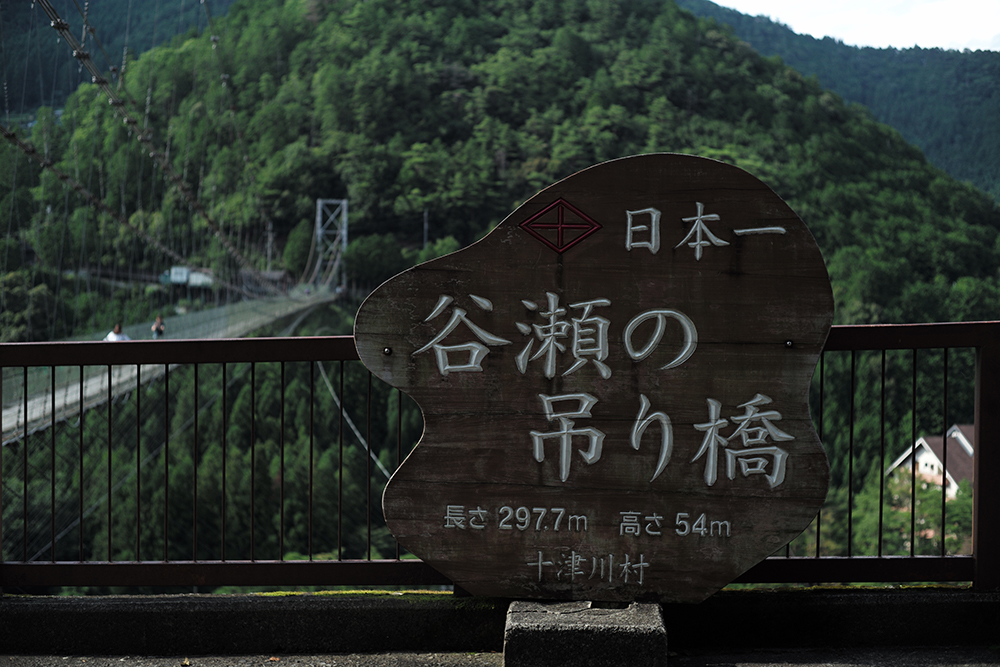
They joined in the association of “the most beautiful villages in Japan” in 2010. The registered local resources are “Tanize Suspension Bridge”, “Giant Cedar Trees at Tamaki Shrine”, and “Hatenashi Village on Kumano Kohechi Kodo Route”. Tanize Suspension Bridge, which is 297 meters long and 54 meters high, is Japan's longest suspension bridge as for daily use, and the result of villagers' sweat and tears.
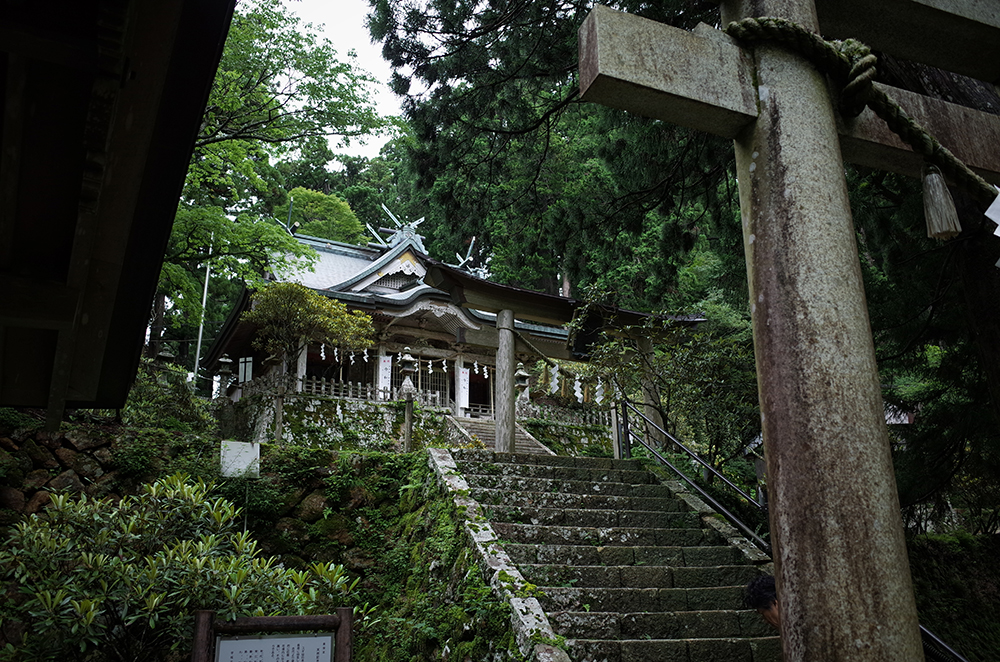
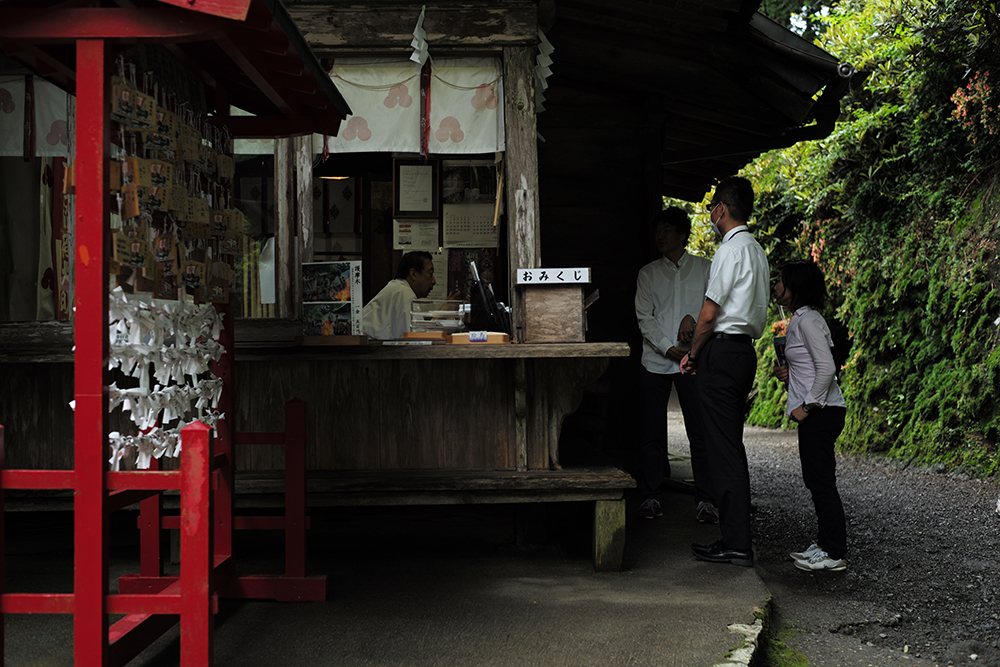
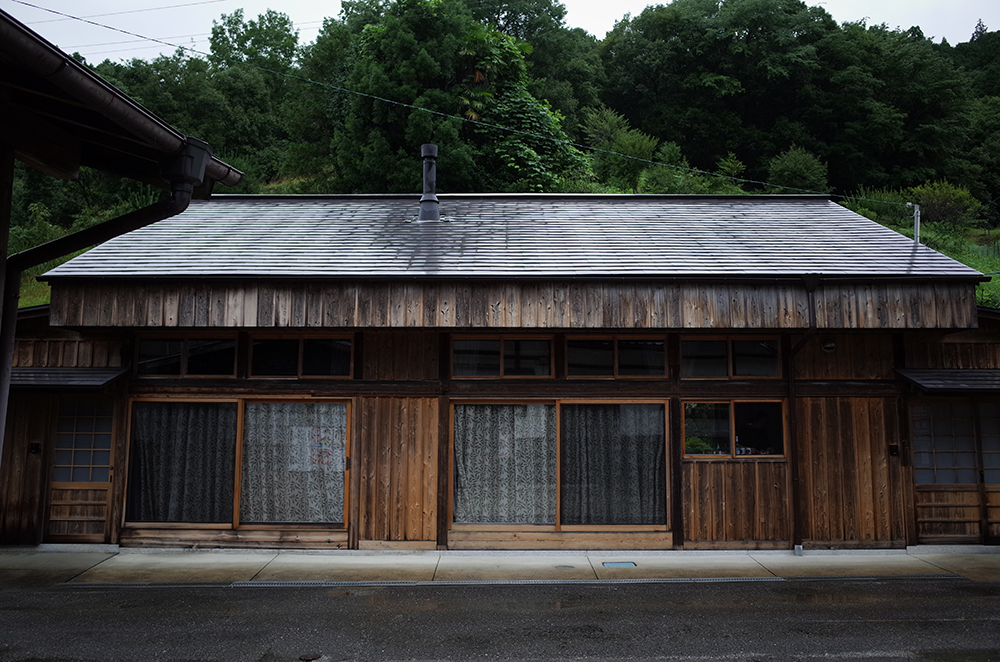
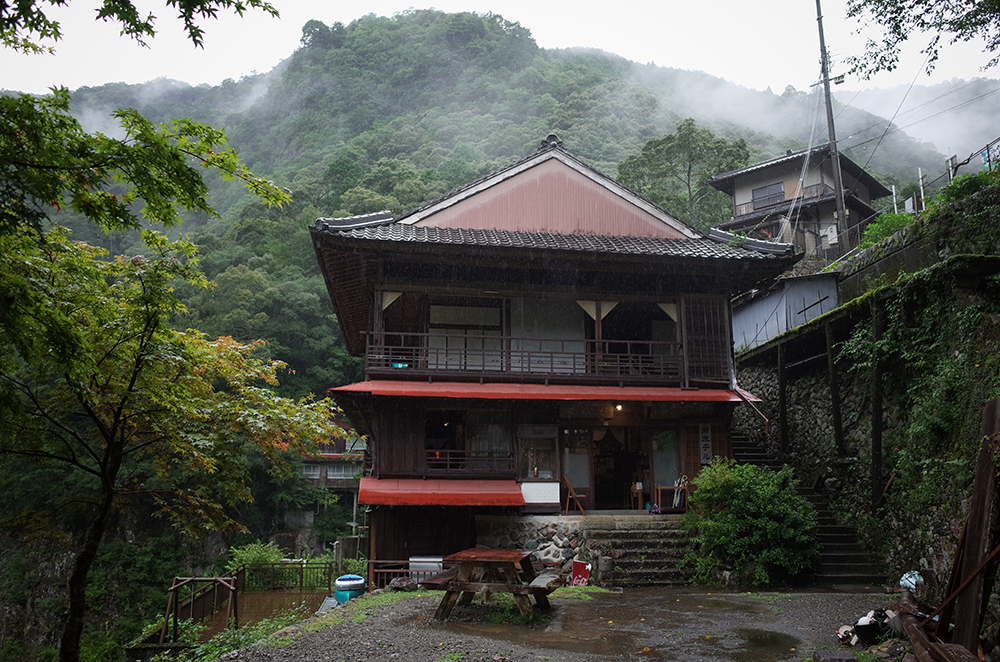
Tamaki Shrine, also known as a spiritual place, is also called as the inner shrine of Kumano Sanzan (Hongu, Shingu, Nachi), and giant trees, such as Jindai cedar, which is said to be 3000 years old, is spectacular. Registered as a World Heritage Site, Kumano Kohechi Pilgrimage Route is a pilgrimage road from Mt.Koya to Kumano Hongu Taisha Shrine and a sacred place where people have prayed for more than a thousand years. Several houses that used to run teahouses and lodgings remain in Hatenashi Village, and the appearance of protecting the operation with self-sufficiency is exactly the original scenery of Japan.
There are three natural hot springs with different spring qualities in the village, and Totsukawa Onsen is the pioneer of the first nationwide which made “the declaration of free-flowing hot-spring.” "Hot water to restore body and mind” has been proven in medical science to reduce active oxygen and increase antioxidants that are the key to rejuvenation.
In 2018, they proposed an excellent initiative in the “Sustainable Development Goals (SDGs)” the UN proposed, and was selected as the “SDGs Future City”. If tracing back history, due to the Jinshin War (in672), the Totsukawa people took part in raising an army by Emperor Tenmu and became the land exempted from taxation due to its achievements. The spirit of “self-reliance” has been cultivated because of the autonomy that does not rely on the domain. And flooding is indispensable when talking about the history of the village. It is also a “Revival Land” where villagers have united and revived each time, despite of suffering catastrophic damage.
Interviewed in July, 2019