Yoshino
Yoshino Town, Yoshino-gun, Nara Prefecture
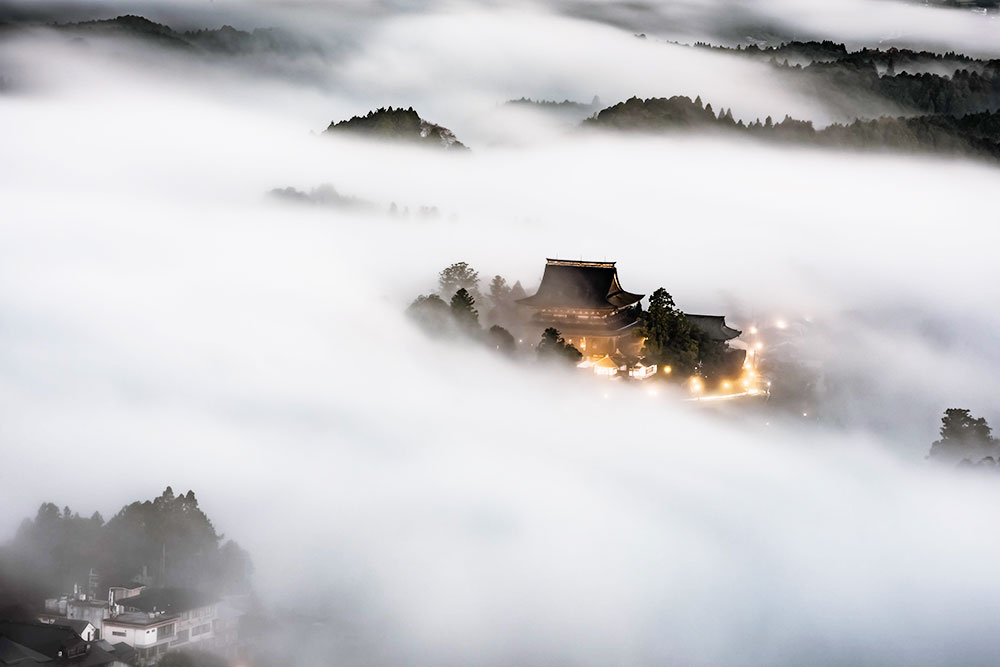
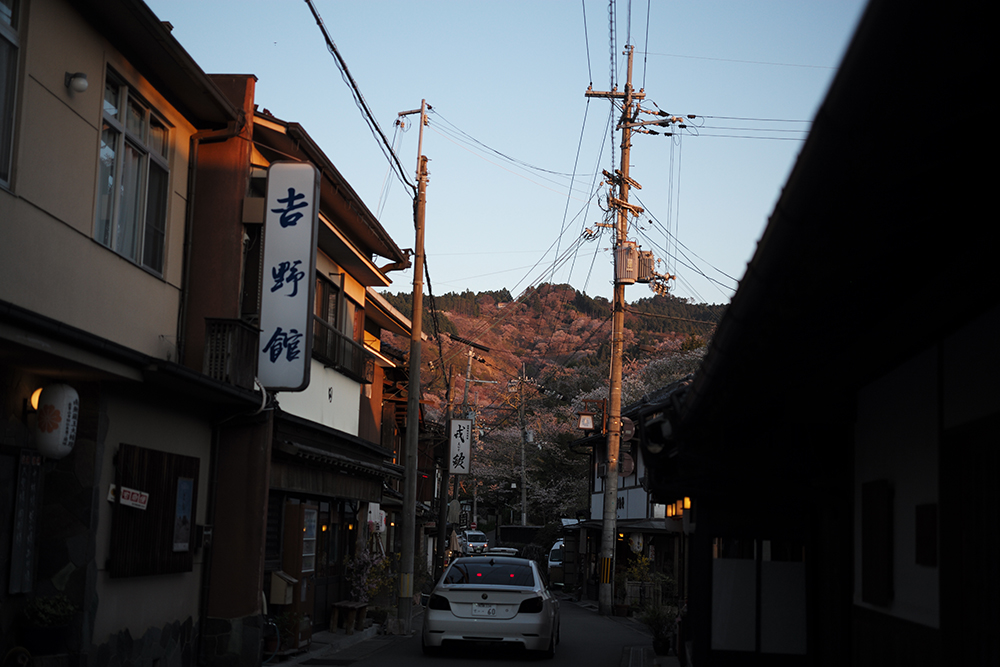
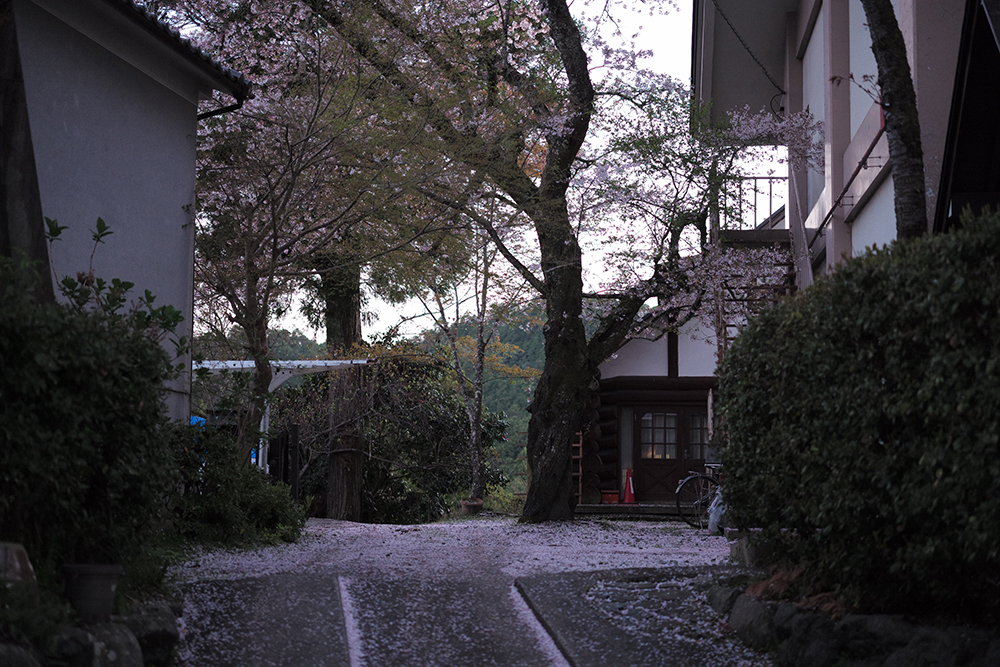
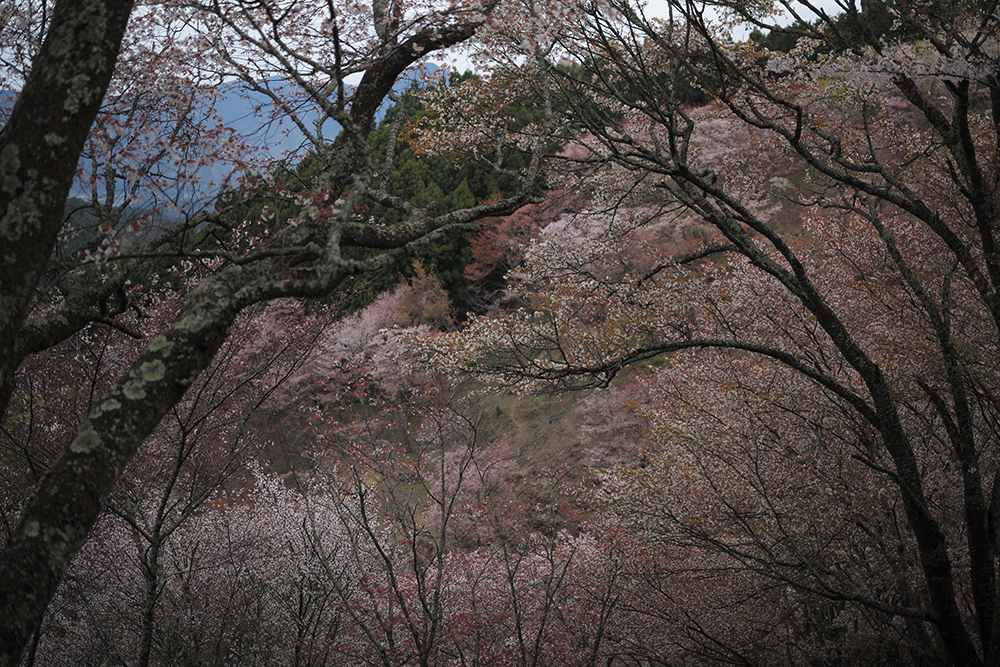
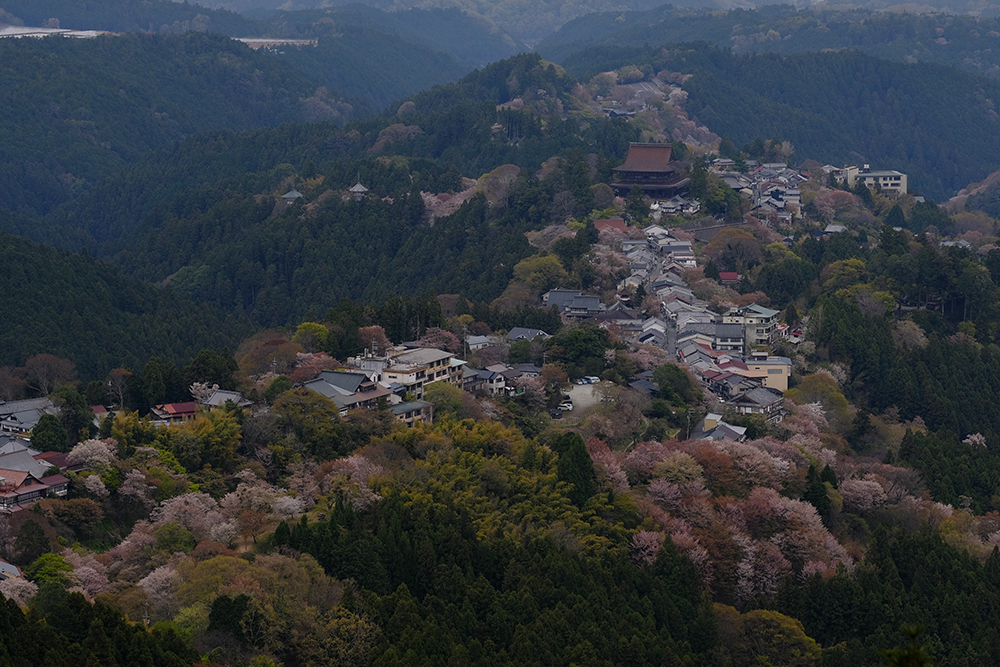
It's located near the center of Nara Prefecture and clear stream Yoshinogawa River, flows cross the town from the east to the west. Yoshino lumber which symbolizes “wood town Yoshino,” was once transported by raft down the river. In spring, 30,000 cherry trees dye Mt. Yoshino with faint pink color and the whole town liven up. A town where the “the tradition” that has appeared in the Kojiki (The Records of Ancient Matters) and the Nihonshoki (Chronicles of Japan) and has shaped Japanese history still takes root in people's lives. Let's go to the elegant old capital.
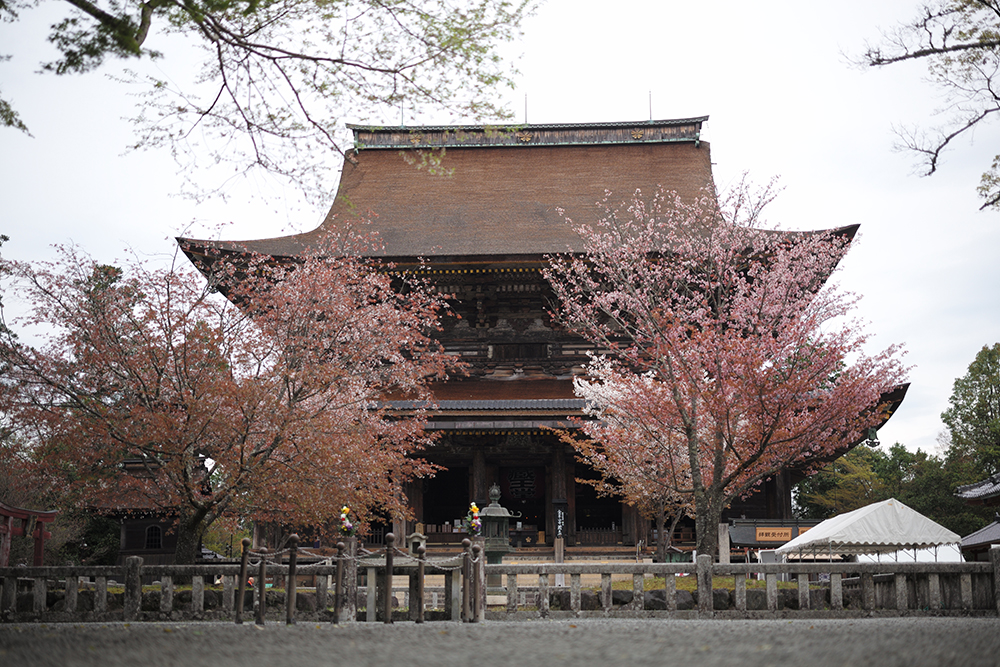
Yoshino cherry blossoms that many people wish to celebrate once at least. Its origin goes back 1300 years from now. Ennogyoja (the actor) who is the founder of Shugendo (mountaineering asceticism) of Japan was inspired with Zao Gongen (the highest-ranking deity worshipped in Japanese mountain asceticism) in the form of Funnu (anger) at the end of suffering penance. Ennogyoja thought that “This saves the people from confusion and suffering, guides them” and carved the figure in the cherry blossom tree and enshrined. That was the beggining of Yoshino cherry blossoms. Since then, at Mt. Yoshino, the mountain cherry blossoms have been planted as a sacred tree and it has become the current “The best spot for cherry blossoms in Japan.”
They joined in the union of “The most Beautiful Village in Japan” in 2012. The registered local resources are “Mt. Yoshino dyed with the millennium cherry blossoms” and “a village of Kuzu where traditional techniques are effectively used”. The Kuzu District is known as the “paper making village” that has continued since the Asuka Period.
It is said that the paper making was inherited by Prince Oama (the later Tenmu emperor) who won the battle of Imperial succession “the Jinshin War” and the same method as a thousand years ago is succeeded and each one piece is produced by diligent hand work even now. “Tenpiboshi (drying in the sun)”, which uses dried Japanese paper to dry outdoors, is one of the precious sceneries that even Japanese paper producers use less now.
Interviewed in April, 2019